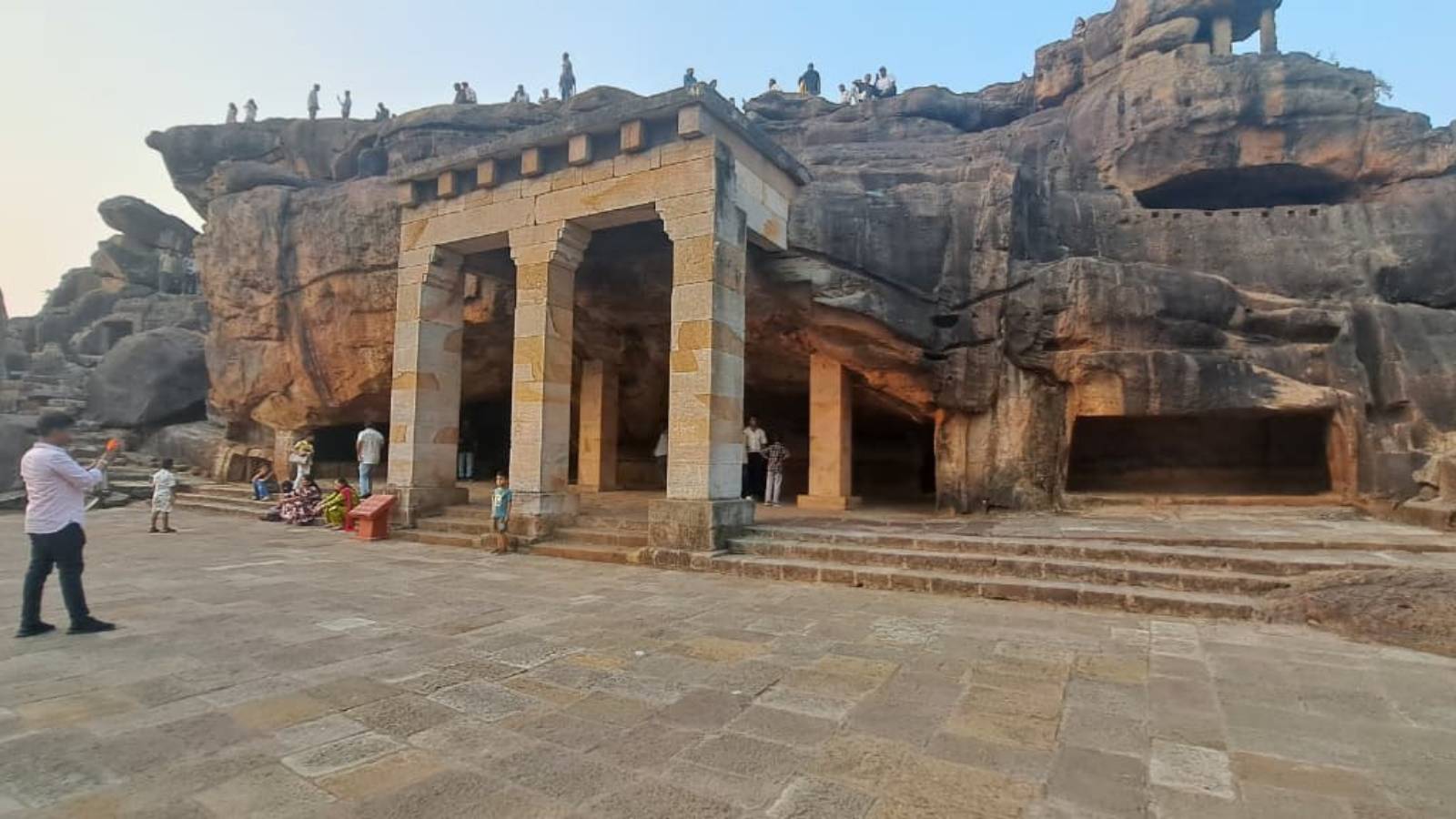
Udayagiri and Khandagiri Caves stand out as one of the most fascinating historical sites in eastern India. These ancient rock-cut caves are not just tourist attractions—they are living testimonies of India’s early Jain heritage, architectural brilliance, and royal history dating back over 2,000 years.
Located in the heart of Bhubaneswar, these caves offer a unique blend of history, spirituality, and scenic beauty. From intricately carved sculptures to inscriptions that reveal stories of ancient rulers, every corner of these caves has something meaningful to offer. Find everything—from history and architecture to timings, entry fees, location, and nearby attractions—helping you plan a complete and enriching visit.
Udayagiri & Khandagiri Caves, Bhubaneswar
Ancient Jain Rock-Cut Caves & Heritage Marvels
Entry Fees
₹25 (Indians)
₹300 (Foreigners)
Opening Hours
8:00 AM – 5:00 PM
Open All Days
Visitor Rating
4.5 / 5.0
Top Historical Attraction
Location & Contact
Address: Khandagiri, Bhubaneswar, Odisha 751030
Distance: ~7 km from Bhubaneswar Railway Station
Site Highlights
| Famous For | Rock-Cut Jain Caves |
| Special Feature | Ancient Inscriptions & Sculptures |
Traveler Tips
- Best Time: October to March for comfortable exploration.
- Highlight: Explore Rani Gumpha, the most famous cave.
- Wear: Comfortable shoes for climbing steps.
- Tip: Visit early morning for fewer crowds and better views.
Step into history and explore ancient architecture at Udayagiri & Khandagiri Caves.
Explore Bhubaneswar Tour PackagesLocation & How to Reach Udayagiri and Khandagiri Caves, Bhubaneswar
Udayagiri and Khandagiri Caves are strategically located near Khandagiri Square along NH-16 (Kolkata–Chennai Highway), offering excellent connectivity while being surrounded by peaceful hill landscapes. Despite being within the city limits, the caves provide a calm and heritage-rich environment, making them easily accessible for both tourists and local visitors.
Reaching the caves is simple, with multiple transport options available:
- From Biju Patnaik International Airport: The caves are approximately 6 km away, making it a quick 15–20 minute journey by taxi or auto-rickshaw. This close distance allows travelers arriving by air to visit the site conveniently without long travel time.
- From Bhubaneswar Railway Station: Located around 8 km from the railway station, the caves can be easily reached via taxis, auto-rickshaws, or city buses. The route is direct and well-connected, ensuring a smooth commute for train यात्रियों.
Local Transport: For city travelers, Mo Bus services, app-based cab options (Ola, Uber), and auto-rickshaws provide frequent and reliable connectivity. The roads leading to the caves are well-maintained, with proper signboards guiding visitors directly to the entrance. Parking facilities are also available near the site, making it convenient for those traveling by private vehicles.
Overall, the location of Udayagiri and Khandagiri Caves ensures a hassle-free and comfortable travel experience, whether you are a local explorer or a tourist visiting Bhubaneswar for the first time.
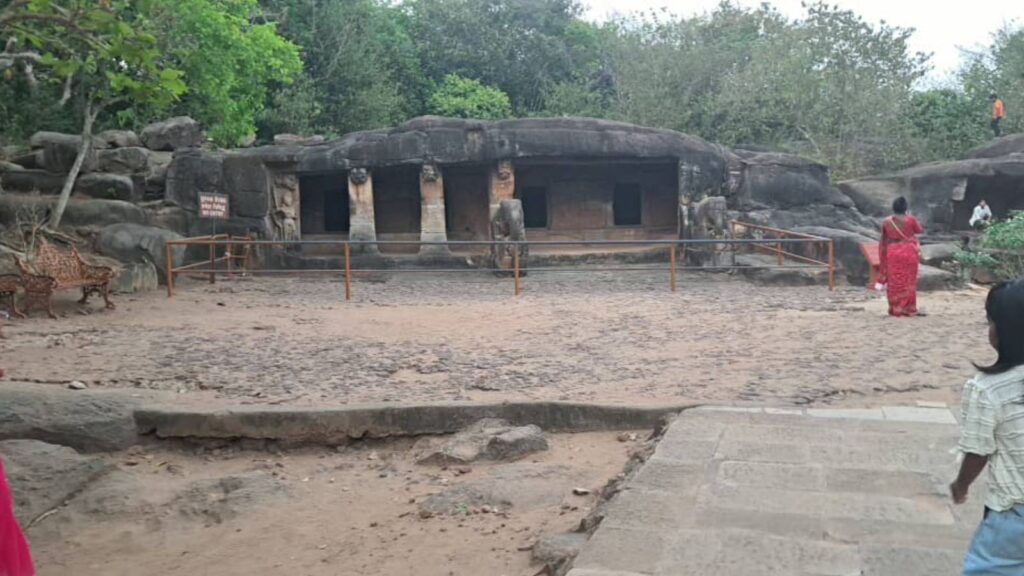
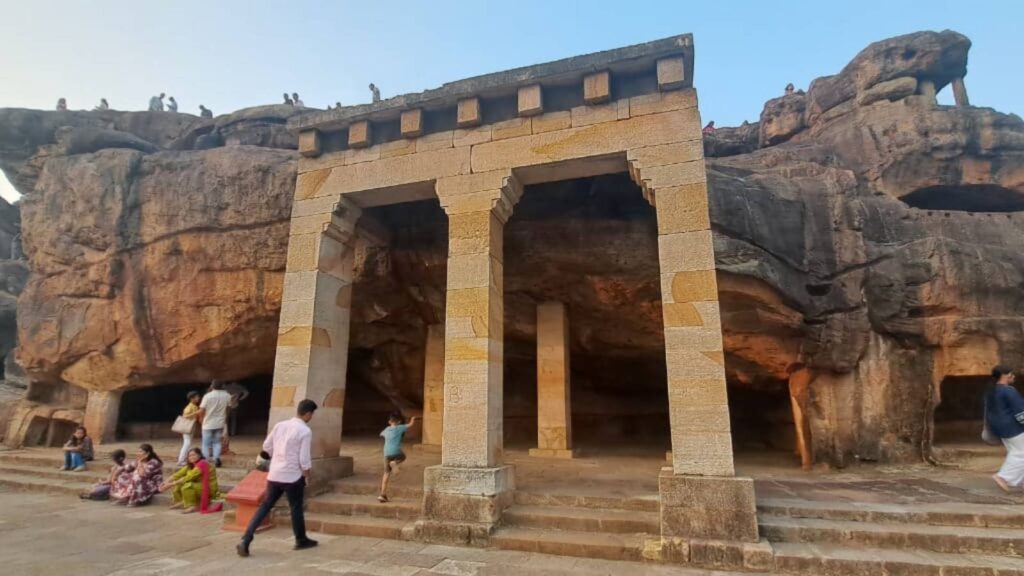
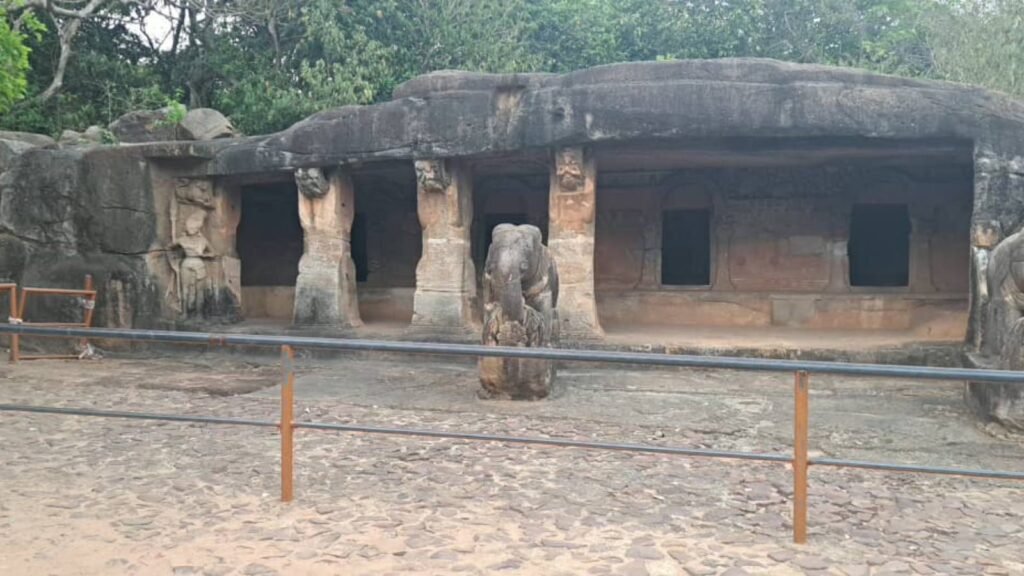
Udayagiri and Khandagiri Caves Images
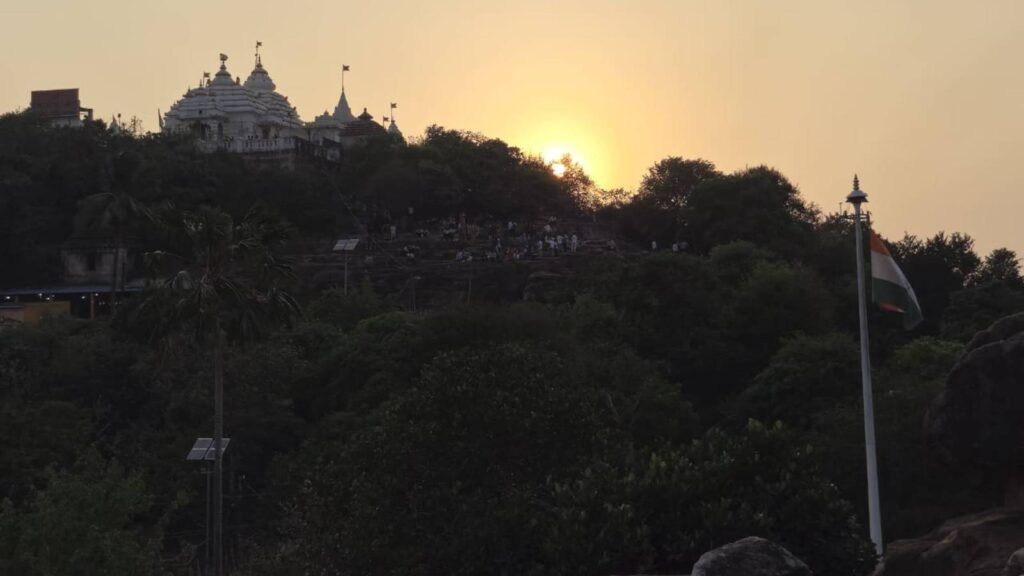
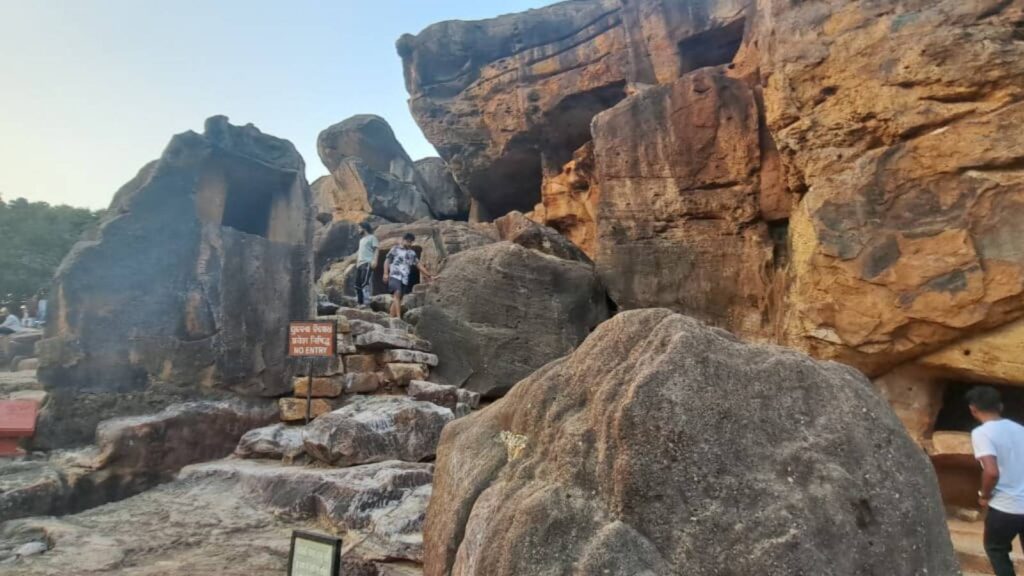
History of Udayagiri and Khandagiri Caves, Bhubaneswar
Historical significance of these caves dates back to the 2nd century BCE, making them one of the oldest archaeological sites in India. The caves are closely associated with King Kharavela, a powerful ruler of ancient Kalinga who was a devoted follower of Jainism.
One of the most important historical elements found here is the famous Hathi Gumpha (Elephant Cave) inscription, which provides detailed accounts of King Kharavela’s achievements, military expeditions, and contributions to religion and culture. This inscription is considered one of the most valuable sources for understanding ancient Indian history, especially the Kalinga region.
The caves were used by Jain monks as meditation and living spaces. Their simple yet functional design reflects the disciplined lifestyle of ascetics who lived here, dedicating their lives to spiritual growth and non-violence.
Book NowArchitecture of Udayagiri and Khandagiri Caves
Architecture of these ancient caves reflects the simple and disciplined lifestyle of Jain monks. Most caves have low ceilings and compact chambers, suggesting they were designed mainly for meditation rather than comfort. The interiors are largely minimal, with carvings focused on religious symbols, deities, and historical narratives, rather than decorative luxury. Despite being carved using basic tools, the caves display remarkable craftsmanship and storytelling through stone.
Udayagiri Caves Architecture
Udayagiri is known for its larger, more detailed, and artistically rich caves.
- Rani Gumpha (Cave 1) is the most prominent, featuring a double-storey structure with multiple wings and interconnected chambers. Its walls display carvings of royal scenes, musicians, animals, and daily life, making it the finest example of ancient cave art in Odisha.
- Bajaghara (Cave 2) stands out for its rectangular pillars, while Chhota Hathi (Cave 3) features elephant carvings.
- Alakapuri (Cave 4) showcases a striking sculpture of a lion holding its prey, symbolizing power.
- Ganesha Gumpha (Cave 10) includes carvings of Lord Ganesha, elephants, and Jain Tirthankaras, reflecting a blend of cultural influences.
- Hathi Gumpha (Cave 14) is historically significant, containing inscriptions about King Kharavela’s achievements and Jain religious texts.
Several other caves like Jaya Vijaya, Thakurani, and Swargapuri feature two-storey designs, pillars, and symbolic carvings, highlighting both architectural planning and artistic expression.
Khandagiri Caves Architecture
Khandagiri caves are comparatively simpler but spiritually significant, with a focus on religious symbolism.
- Tatowa Gumpha (Caves 1 & 2) feature guardian figures, lions, bulls, and parrots carved near the entrance.
- Ananta Gumpha (Cave 3) and nearby caves display intricate carvings of Jain motifs and symbols.
- Navamuni Gumpha (Cave 7) is notable for sculptures of nine Jain Tirthankaras and Sasana Devis, believed to be later additions from the Somavamshi period.
- Bharabhuji Gumpha (Cave 8) contains images of multiple Tirthankaras, emphasizing its religious importance.
- Ekadashi Gumpha (Cave 14) is recognized for its serpent carvings and detailed depictions of humans and animals, showcasing artistic storytelling.
Timings of Udayagiri and Khandagiri Caves
Udayagiri and Khandagiri Caves are open to visitors throughout the week, giving travelers enough flexibility to plan their visit at a convenient time.
- Opening Time: 8:00 AM
- Closing Time: 5:00 PM
Visitors are allowed to explore both hills during these hours, and it generally takes 2–3 hours to comfortably cover the major caves and viewpoints.
Udayagiri and Khandagiri Caves: Entry Fee & Ticket Details
Entry fee for visiting the Udayagiri and Khandagiri Caves is quite affordable, making it accessible for all types of travelers, including families, students, and solo explorers.
- Indian Visitors: ₹25 per person
- Foreign Tourists: ₹300 per person
Tickets can be easily purchased at the entry counter near the main gate, and the process is generally quick with minimal waiting time, except during weekends or peak tourist seasons.
Additional Information
- Children below a certain age (usually under 15 years) may get free or concessional entry, depending on ASI guidelines.
- There may be extra charges for carrying professional cameras or video equipment, so it is advisable to confirm the latest rates at the ticket counter.
- Digital payment options are increasingly available, but carrying cash is recommended for convenience.
- It is advisable to keep your ticket safe throughout the visit, as it may be checked at different points inside the premises.
- The entry fee also contributes to the maintenance and preservation of this important archaeological site.
Overall, the reasonable ticket pricing combined with the rich historical experience makes visiting these caves a great value-for-money destination in Bhubaneswar.
Book NowBest Time of the Day to Visit Udayagiri and Khandagiri Caves
It is highly recommended to visit early in the morning, as the weather remains cool and pleasant, especially during summer months. Morning visits also ensure less crowd, allowing you to explore the caves peacefully and take uninterrupted photographs of the carvings and landscapes.
Alternatively, late afternoon (after 3:30 PM) is another good time to visit, as the sunlight becomes softer and the surroundings look more scenic, particularly from the top of Khandagiri hill.
Udayagiri and Khandagiri Caves: Nearby Tourist Attractions
While exploring the Udayagiri and Khandagiri Caves, visitors can conveniently discover several iconic attractions located within a short distance. These nearby sites beautifully complement your visit by offering a deeper understanding of Bhubaneswar’s rich spiritual heritage, temple architecture, and historical significance.
Bindu Sagar Lake
Located about 9 km away, Bindu Sagar Lake is sacred water body which is surrounded by numerous temples and is believed to hold holy waters from various rivers of India. It offers a serene environment for relaxation and spiritual reflection.
Lingaraj Temple
Located approximately 9 km from the caves, Lingaraj Temple is dedicated to Lord Shiva, one of the most important religious landmarks in Odisha. Built in classic Kalinga architectural style, the temple complex showcases intricate carvings and attracts both pilgrims and architecture lovers.
Dhauli Shanti Stupa
Situated around 10 km away, Dhauli Shanti Stupa is a peaceful Buddhist monument marks the historic site of the Kalinga War. The white stupa, along with scenic views of the Daya River, creates a calm and reflective atmosphere ideal for visitors interested in history and spirituality.
Rajarani Temple
Approximately 8 km from the caves, Rajarani temple is admired for its unique red and yellow sandstone structure and beautifully detailed sculptures. It is often referred to as a “love temple” due to its elegant and artistic carvings.
Book NowTo make your journey even more comfortable and well-planned, you can book with us a customized 3 days tour package and travel experience, covering Bhubaneswar’s top attractions along with nearby destinations like Puri and Konark. Our thoughtfully designed packages ensure smooth transportation, sightseeing, and a hassle-free trip, allowing you to explore the cultural essence of Odisha without any stress.