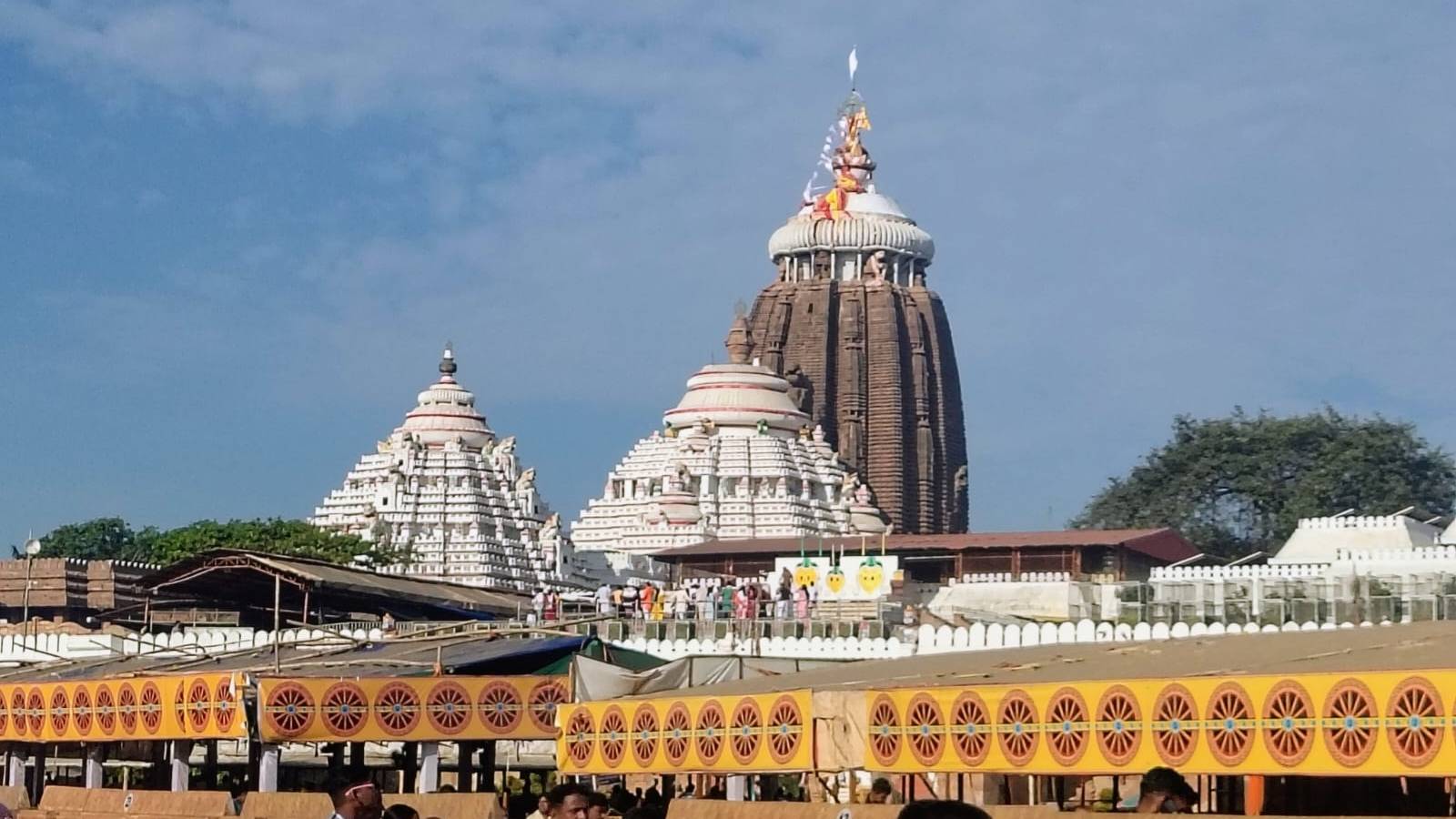
Shree Jagannath Temple stands as one of India’s most revered pilgrimage destinations, attracting millions of devotees and travelers every year. Located in the spiritual city of Puri, this temple is not only a religious center but also a symbol of ancient culture, architectural brilliance, and divine traditions.
Recognized as one of the Char Dham pilgrimage sites, Jagannath Temple holds immense importance in Hinduism. The temple is dedicated to Lord Jagannath, a form of Lord Vishnu, along with his siblings Lord Balabhadra and Goddess Subhadra. Find details on history, daily rituals, fees and timing to its unexplained mysteries and vibrant festivals, this temple offers an unforgettable spiritual and cultural experience.
Jagannath Temple, Puri
The Sacred Abode of Lord Jagannath & Char Dham Pilgrimage Site
Entry Fees
Free Entry
Only for Hindus
Opening Hours
5:00 AM – 11:30 PM
Timings Vary by Rituals
Visitor Rating
4.8 / 5.0
One of India’s Holiest Temples
Location & Contact
Address: Grand Road, Puri, Odisha 752001
Nearby: Puri Beach & Gundicha Temple
Temple Highlights
| Famous For | Rath Yatra Festival |
| Special Feature | Mahaprasad & Unique Rituals |
Traveler Tips
- Best Time: October to February or during Rath Yatra festival.
- Dress Code: Wear modest traditional attire for temple visit.
- Highlight: Don’t miss Mahaprasad at Anand Bazaar.
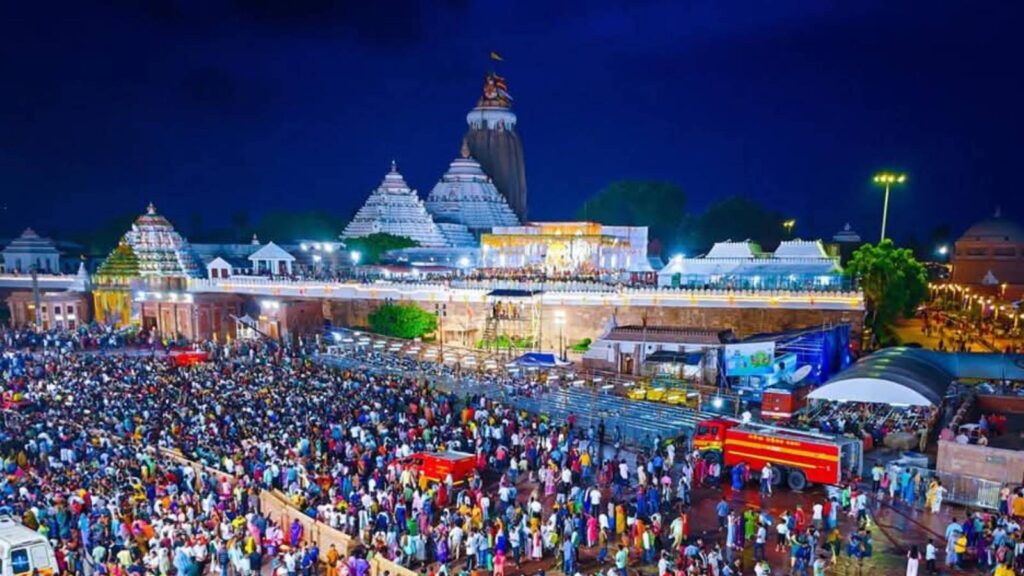
- Tip: Expect crowds during festivals and weekends.
Seek blessings at one of the most sacred pilgrimage sites in India.
Explore Puri Tour PackagesWhere is Jagannath Puri & How to Reach?
Shree Jagannath Temple is located in the heart of Puri city, Odisha, and is well connected by road, rail, and air, making it easily accessible for both domestic and international travelers.
How to Reach Puri, Flights, Buses and Taxi to Puri?
Puri is situated at a distance of approximately 60 km from Bhubaneswar, the state capital. The nearest airport is Biju Patnaik International Airport, which is about 58–60 km from Jagannath Temple. From the airport, visitors can hire taxis, cabs, or take buses to reach Puri comfortably within 1.5 to 2 hours.
The Puri Railway Station is located around 2–3 km from the temple, making it very convenient for travelers arriving by train. Auto-rickshaws, cycle rickshaws, and taxis are easily available outside the station to reach the temple within 10–15 minutes.
For those traveling by road, Puri is well connected via a smooth highway network. Regular government and private buses operate between Bhubaneswar and Puri, along with taxi services, ensuring a hassle-free journey for visitors.
Book NowHistory of Jagannath Temple, Puri
Origins of Jagannath Temple date back to the 12th century when it was built by King Anantavarman Chodaganga Deva of the Eastern Ganga dynasty. Over the centuries, the temple has evolved into one of the most significant religious centers in India.
Constructed in the classic Kalinga architectural style, the temple features towering structures, intricate carvings, and a majestic spire that dominates the skyline of Puri. The main sanctum houses the unique wooden idols of Lord Jagannath, Lord Balabhadra, and Goddess Subhadra, which are ceremonially replaced during the Nabakalebara ritual held after specific intervals.
The temple has witnessed centuries of devotion, invasions, and restoration, yet it continues to stand strong as a symbol of faith and tradition.
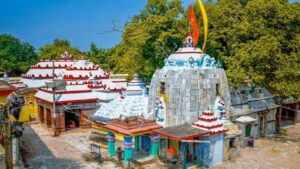
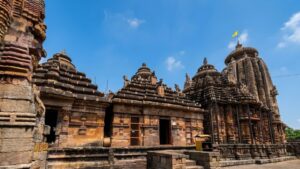
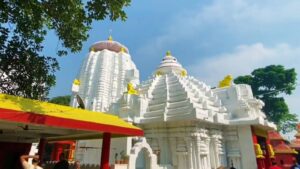
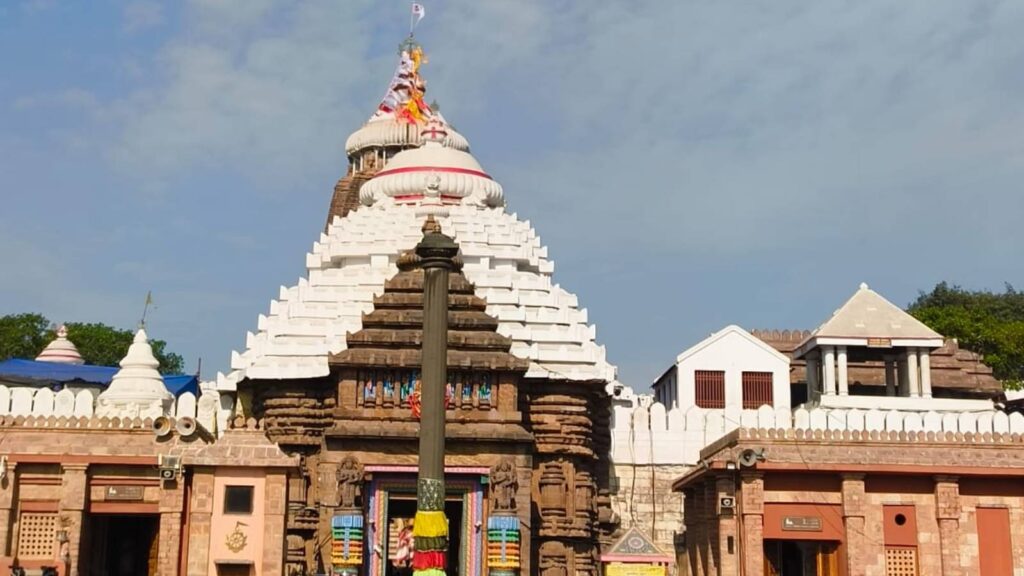
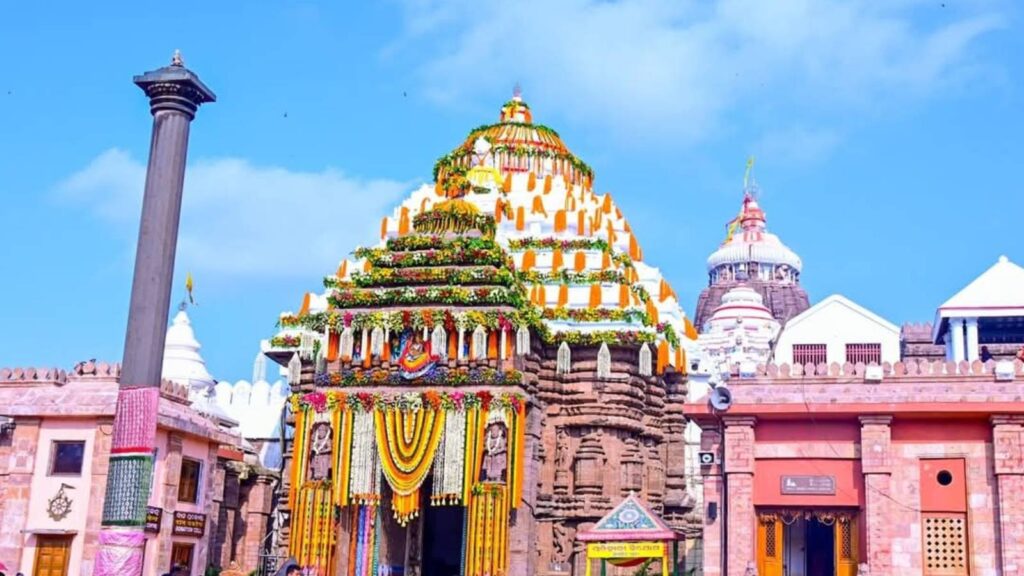
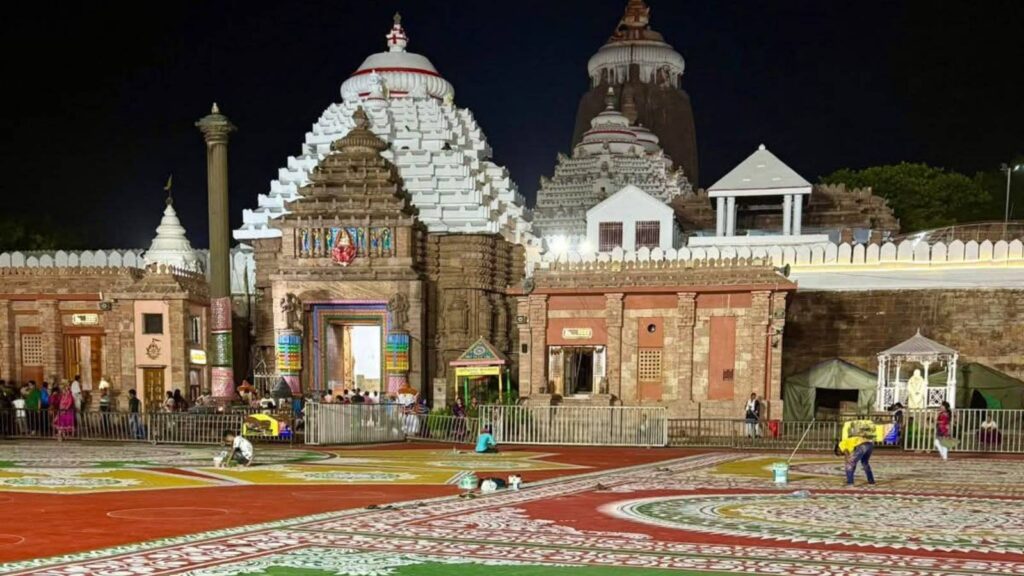
Jagannath Temple Puri Images
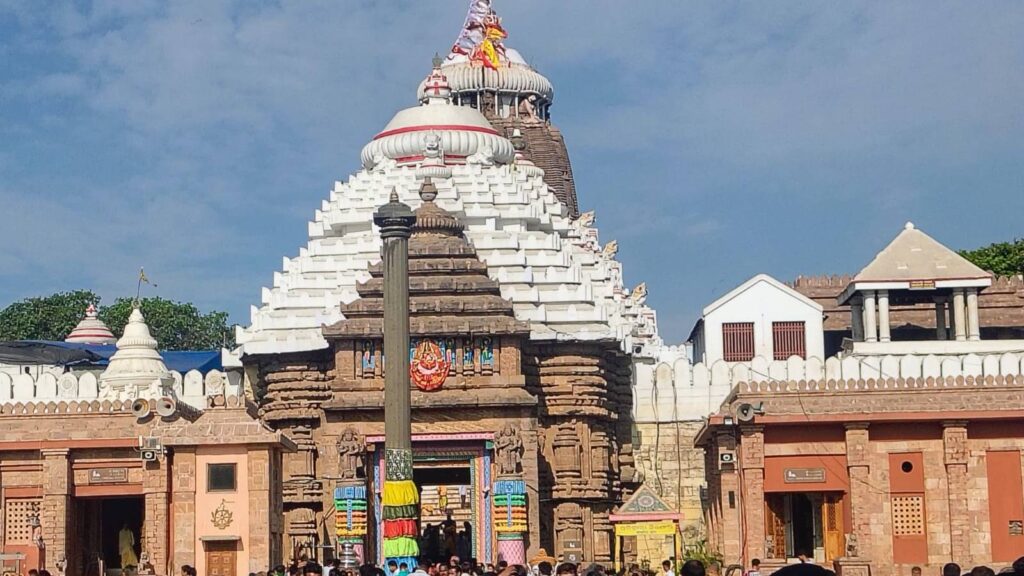
Architecture of Jagannath Temple, Puri
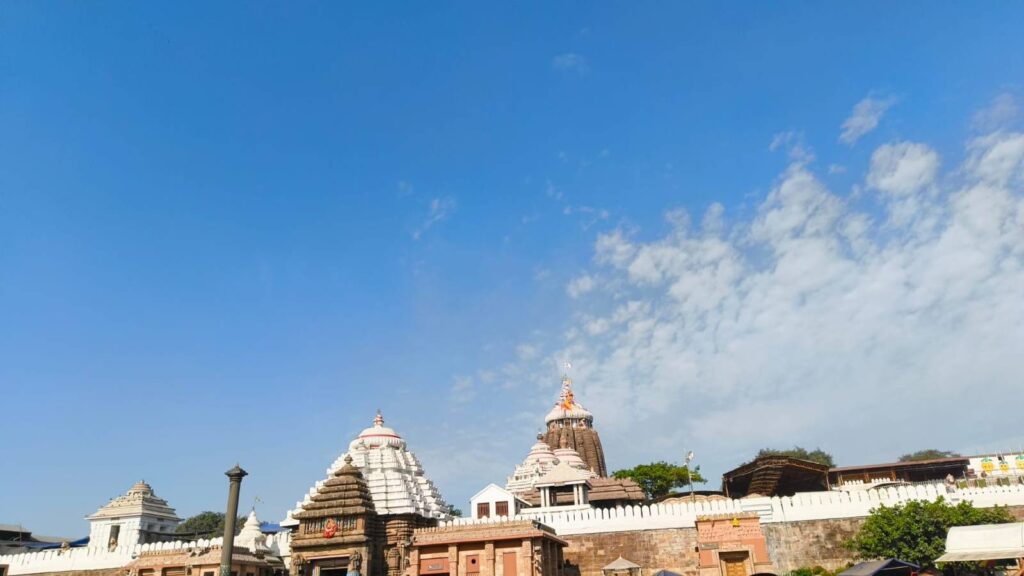
Architecture of Jagannath Temple Puri reflects the brilliance of ancient Indian craftsmanship and spiritual design.The main temple stands at the center of the inner courtyard on a raised platform, reflecting the grandeur of Kalinga-style architecture. It is divided into four key sections—Vimana, Jagamohana, Nata Mandapa, and Bhoga Mandapa, each serving an important role in rituals and daily worship.
The structure combines two architectural forms—Rekha Deula and Pitha Deula. The Vimana, built in Nagara-style Rekha Deula, features a tall curvilinear spire (Shikhara), while the Jagamohana has a stepped, pyramid-shaped roof in Pitha Deula style. The Vimana follows a Pancharatha plan and houses the deities on the sacred Ratna Singhasana.
Temple complex is enclosed by two protective walls—Kurma Prachira (inner wall) and Meghanada Prachira (outer wall), which rises about 20–24 feet. The outer wall has four gates: Singha Dwara (east), Vyaghra Dwara (west), Hasti Dwara (north), and Ashwa Dwara (south).
Inside the premises, there are several smaller shrines, along with seven sacred wells, gardens like Nilachala Upabana and Koili Baikuntha, a large traditional kitchen, and a sacred banyan tree, all adding to the temple’s spiritual and architectural significance.
Inner Compound (Bhitara Bedha)
The inner compound of the temple, known as Bhitara Bedha, houses around 76 sacred smaller temples, each associated with specific rituals and traditions. Some of the most important shrines inside this area include:
Vimala Temple
This is believed to be the oldest shrine within the complex and is considered a revered Shakti Peeth. The temple houses a four-armed idol of Goddess Vimala. One of the most unique traditions here is that the food offered to Lord Jagannath becomes Mahaprasad only after it is first offered to Goddess Vimala, highlighting her spiritual significance.
Agneeswara Temple
This temple is regarded as the guardian of the sacred fire used in the temple kitchen. It plays an important role in maintaining the purity and continuity of cooking rituals.
Satya Narayan Temple
This shrine houses a four-armed granite idol of Lord Narayan, holding a disc, conch, and mace, while the fourth hand is in Abhaya Mudra, symbolizing protection and blessings.
Lakshmi Temple
Believed to have been constructed during the Ganga Dynasty in the 12th–13th century, this temple is dedicated to Goddess Lakshmi in the form of Gajalakshmi. The idol features four arms, with symbolic gestures representing prosperity and protection.
Shree Nrusimha Temple
Considered older than the main temple itself, this shrine is dedicated to Lord Narasimha. It is built in the Pancharatha Rekha Deula style and houses a small yet powerful idol of the deity.
Surya Temple
Dedicated to the Sun God, this temple contains an idol believed to have been brought from the famous Konark Temple by King Narasimha Deva, adding historical importance to the shrine.
Bata Ganesha Temple
Located beneath the sacred banyan tree known as Kalpabata, this temple is dedicated to Lord Ganesha and holds special significance for devotees seeking blessings before entering the main shrine.
Nrutta Ganapati Temple
This 13th-century temple features a rare eight-armed dancing form of Lord Ganesha, symbolizing divine energy and artistic expression.
Bhubaneswari Temple
This shrine houses Goddess Saraswati along with other divine forms such as Sasthi, Savitri, and Gayatri, representing knowledge and wisdom.
Kalpabata
The sacred banyan tree located within the temple complex is believed to grant spiritual liberation. Devotees often circumambulate the tree and step on its shadow as part of religious practice.
Kanchi Ganesha
This shrine is dedicated to Lord Ganesha in a tantric form, with an idol that includes his consort seated on his lap. It is believed to have been brought from Kanchi by King Gajapati Purushottama Dev.
Mukti Mandapa
This is a sacred platform supported by 16 pillars, where learned priests, scholars, and religious authorities gather for discussions and decision-making related to temple rituals and traditions.
Book NowOuter Compound (Bahara Bedha)
The outer compound, known as Bahara Bedha, includes several important functional and spiritual sections that support the daily activities of the temple.
Roshaghara (Temple Kitchen)
The temple kitchen is considered the largest in the world, featuring around 250 traditional hearths known as Chulis. Cooking is done using earthen pots over firewood or charcoal. The kitchen has 32 large rooms, and approximately 600 cooks along with 400 assistants prepare food daily for thousands of devotees.
Ananda Bazaar
This is the designated place where Mahaprasad is sold and consumed. Devotees gather here to share the sacred food, creating a unique spiritual and communal experience.
Aruna Stambha
A massive monolithic pillar with sixteen sides stands at the eastern entrance of the temple. It is about 34 feet high and was brought from the Konark Temple during historical times.
Baisi Pahacha
This refers to the 22 sacred steps leading from the outer compound to the inner sanctum. Although only 17 steps are visible today due to later construction, devotees consider sitting on these steps as part of their religious practice.
Patitapabana
An idol of Lord Jagannath is installed near the main entrance (Singha Dwara) so that devotees who are unable to enter the temple can still have darshan and seek blessings.
Snana Mandapa
This is the sacred platform where the ceremonial bathing ritual (Snana Yatra) of the deities is performed during festivals.
Jagannath Temple Timings
Temple follows a strict daily schedule that begins early in the morning and continues till late at night. Generally, the temple opens around 5:00 AM and remains accessible to devotees until approximately 11:00 PM, with brief intervals during ritual timings.
Morning hours are considered ideal for peaceful darshan, as the crowd is relatively less. During festivals and weekends, however, the temple experiences a massive influx of devotees, and waiting times can be significantly longer. Planning your visit during weekdays or early hours can enhance your overall experience.
Jagannath Temple Puri Darshan & Aarti Timings
Daily rituals at the Jagannath Temple follow a well-structured schedule from early morning Mangal Aarti to midnight Pahuda, reflecting centuries-old traditions and devotion. These timings help devotees plan their darshan effectively while experiencing the temple’s complete spiritual routine throughout the day.
| Rituals | Timings |
|---|---|
| Dwarpitha and Mangal Aarati | 5:00 AM |
| Mailam | 6:00 AM |
| Abakash | 6:00 AM – 6:30 AM |
| Mailam | 6:45 AM |
| Sahanamela | 7:00 AM – 8:00 AM |
| Beshalagi | 8:00 AM |
| Rosha Homa, Surya Puja & Dwarapal | 8:00 AM – 8:30 AM |
| Gopala Ballava Puja | 9:00 AM |
| Sakala Dhupa (Morning Food Offering) | 10:00 AM |
| Mailam & Bhoga Mandap (2–3 times daily) | Varies |
| Madhyanha (Afternoon Food Offering) | 11:00 AM – 1:00 PM |
| Madhyanha Pahudha | 1:00 PM – 1:30 PM |
| Temple Flag Changing (Patitapabana Bana) | 4:00 PM – 6:00 PM (Daily) |
| Sandhya Aarati | 5:30 PM |
| Samudra Aarati (Puri Beach) | Around Sunset (5:30 PM – 6:30 PM) |
| Sandhya Dhupa | 7:00 PM – 8:00 PM |
| Mailam and Chandana Lagi | 8:30 PM |
| Badashringara Vesha | After Chandana Lagi |
| Bada Shringar Laga Bhoga | 9:30 PM – 10:30 PM |
| Khata Seja Lagi and Pahuda | 12:00 AM (Midnight) |
Entry Fee, Darshan & Special Pass Details
Entry to the Shree Jagannath Temple is completely free, allowing all devotees to visit without any ticket charges. However, only Hindus are permitted to enter the main temple premises as per traditional rules.
There is no official VIP pass system, but during festivals or peak seasons, limited special arrangements may be managed by temple authorities. Devotees can make voluntary donations and offerings, while photography and mobile phones are strictly prohibited inside, with deposit facilities available near the entrance.
Book NowMysteries & Amazing Facts of Shree Jagannath Temple, Puri
Jagannath Temple is not only a major pilgrimage site but also a place surrounded by fascinating mysteries that continue to intrigue devotees, historians, and researchers. These unique phenomena are often highlighted in the Facts of Jagannath Puri Temple, making it stand out as one of the most mysterious and spiritually significant landmarks in India.
1. Daily Flag Changing Ritual
One of the most astonishing rituals is the daily flag changing ceremony, where temple servitors climb to the top of the temple—over 200 feet high—without any modern safety equipment. This ritual is performed every single day with precision and devotion, symbolizing unwavering faith and tradition.
2. Invisible Shadow Phenomenon
It is widely believed that the shadow of the temple is not visible on the ground at any time of the day, regardless of the sun’s position. This unusual observation has remained a topic of curiosity for many visitors.
3. Unique Nilachakra Design
The Nilachakra (sacred blue wheel) placed at the top of the temple is designed in such a way that it appears identical from every direction. No matter where you stand in Puri, the wheel always seems to face you, showcasing remarkable architectural precision.
4. No Birds or Aircraft Above the Temple
Another interesting belief is that no birds or aircraft fly directly above the temple dome. This is considered highly unusual, especially given the temple’s open coastal location.
5. Disappearance of Sea Sound
Despite the temple being close to the sea, visitors often notice that the sound of ocean waves becomes inaudible once they step inside the temple premises, adding to the temple’s mystical experience.
6. Unusual Wind Direction
Near the temple, the wind direction is said to behave differently from normal patterns, with the temple flag often fluttering in the opposite direction of the wind. This phenomenon continues to amaze visitors.
Important Guidelines at Shree Jagannath Temple, Puri
Before planning your visit to the temple, it is important to be aware of certain rules and facilities to ensure a smooth and respectful experience.
- Entry Restrictions: Only Hindus are permitted to enter the temple premises, as per traditional customs followed here.
- Restricted Items: Footwear, leather items, mobile phones, and cameras are strictly prohibited inside the temple. Visitors must deposit these items at designated counters before entry.
- Storage Facilities: Free shoe stands and mobile deposit facilities are available near the entrance for the convenience of devotees.
- Medical Services: The temple provides ambulance and first-aid services, along with experienced medical staff to handle emergencies.
- Drinking Water: Clean and safe drinking water facilities are available within the temple complex.
- Accessibility Support: Free battery-operated vehicles are provided for senior citizens and physically challenged visitors from Market Square to the temple gates. Wheelchair and ramp facilities are also available to ensure easy access.
These guidelines help maintain discipline, safety, and a comfortable experience for all devotees visiting the temple.
Book NowExperience the divine aura and rich heritage of Shree Jagannath Temple effortlessly by booking Puri & Bhubaneswar tour package. Enjoy hassle-free darshan, guided sightseeing, and a complete spiritual journey in comfort and style.