
Bhubaneswar: Things to Do in the Temple City of India
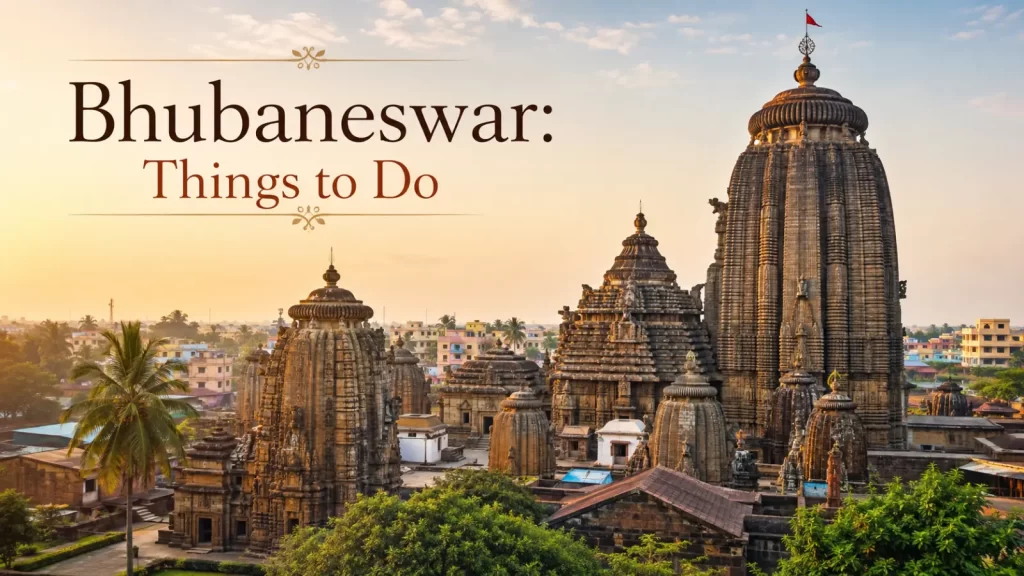
Bhubaneswar, the capital of Odisha, is a city where ancient temples, fascinating history, peaceful landscapes, local food and modern city life come together. Often called the Temple City of India, Bhubaneswar offers much more than temple sightseeing. From beautifully carved Kalinga-style monuments and ancient rock-cut caves to Buddhist heritage, tribal culture, local markets and green escapes, the city gives travellers many different ways to experience Odisha.
Whether you are visiting Bhubaneswar for a spiritual journey, a family holiday, a weekend trip or as part of the famous Bhubaneswar–Puri–Konark route, the city has plenty to explore. Odisha Tourism also highlights Bhubaneswar’s temples, caves, museums and cultural attractions as important parts of the state’s heritage.
If you are planning your first visit, this guide will help you discover the best things to do in Bhubaneswar, what makes each place special, what experiences you should not miss and how to plan your trip comfortably.
Why Visit Bhubaneswar?
Bhubaneswar is more than just the capital of Odisha—it is a city where ancient temples, rich history, vibrant culture, local food, and modern attractions come together. Known as the “Temple City of India,” Bhubaneswar offers travelers a chance to explore centuries-old architecture while enjoying the comfort of a modern city.
Here are some of the top reasons to visit Bhubaneswar:
- Explore Ancient Temples – Discover architectural masterpieces such as Lingaraj Temple, Mukteshwar Temple, Rajarani Temple, and Brahmeswar Temple.
- Experience Odisha’s History – Visit Dhauli Shanti Stupa, Udayagiri and Khandagiri Caves, and other historic sites that reveal the region’s fascinating past.
- Enjoy Odisha’s Culture – Experience traditional Odia architecture, handicrafts, festivals, dance, music, and local traditions.
- Taste Authentic Odia Food – Try local specialties such as Dalma, Pakhala Bhata, Chhena Poda, Bara, Ghugni, and traditional Mahaprasad-inspired dishes.
- Perfect Base for Exploring Odisha – Bhubaneswar is well connected to popular destinations such as Puri, Konark, Cuttack, Chilika, and other attractions across Odisha.
- Discover Nature and Wildlife – Places around the city offer opportunities to enjoy greenery, lakes, forests, and wildlife experiences.
- Great for Different Types of Travelers – Whether you are interested in spirituality, history, photography, architecture, food, shopping, or family travel, Bhubaneswar has something to offer.
Visit the Famous Lingaraj Temple
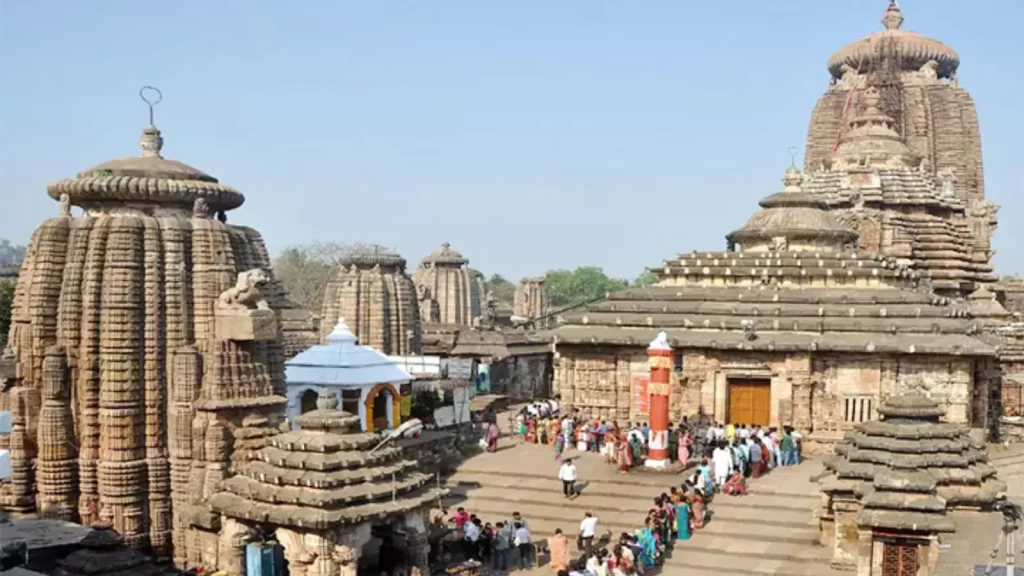
One of the most important things to do in Bhubaneswar is visiting Lingaraj Temple, one of the city’s most celebrated religious and architectural landmarks.The temple is dedicated to Lord Lingaraj, a form of Lord Shiva, and is an important example of Odisha’s temple architecture. Odisha Tourism describes Lingaraj Temple as a major symbol of Bhubaneswar’s temple heritage.
Visitors can admire the impressive temple structure, detailed stone carvings and surrounding smaller shrines. The atmosphere around the temple becomes especially vibrant during major religious festivals.
Travel tip: Check the latest temple entry and photography rules before visiting. Entry restrictions may apply to non-Hindu visitors, while viewing arrangements can be available from designated locations.
Explore the Beautiful Mukteswar Temple
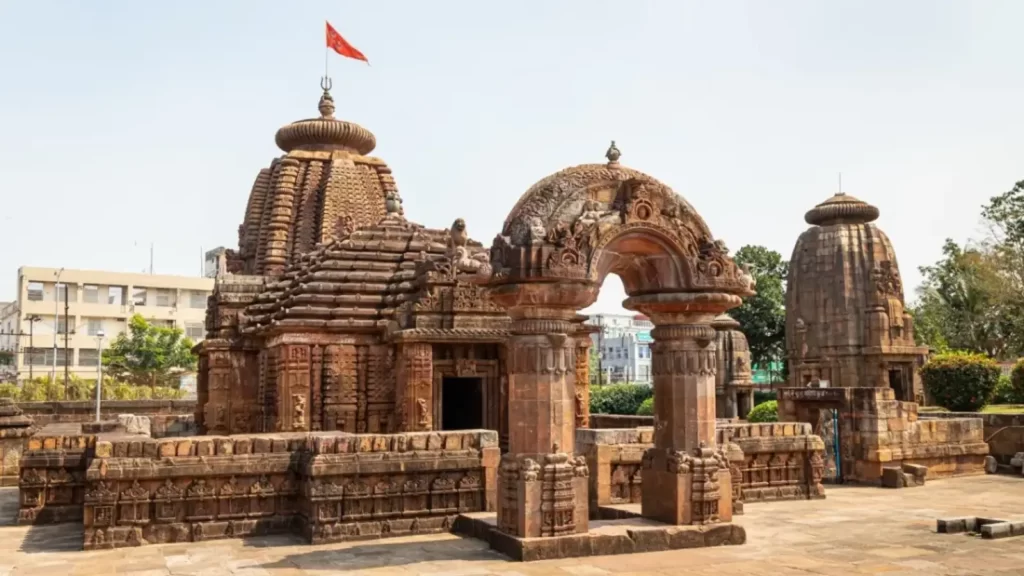
Mukteswar Temple is often considered one of the architectural highlights of Bhubaneswar.The temple is known for its beautifully carved entrance, sculptures and elegant architectural details. Odisha Tourism describes Mukteswar as a gem of Odisha temple architecture.Unlike simply visiting a temple for worship, spending time observing the carvings here can feel like exploring an open-air history book. Look closely at the sculptures, decorative motifs and the famous torana, or arched gateway.
For photography and architecture lovers, Mukteswar Temple is one of the must-visit places in Bhubaneswar.
Discover the Artistic Rajarani Temple
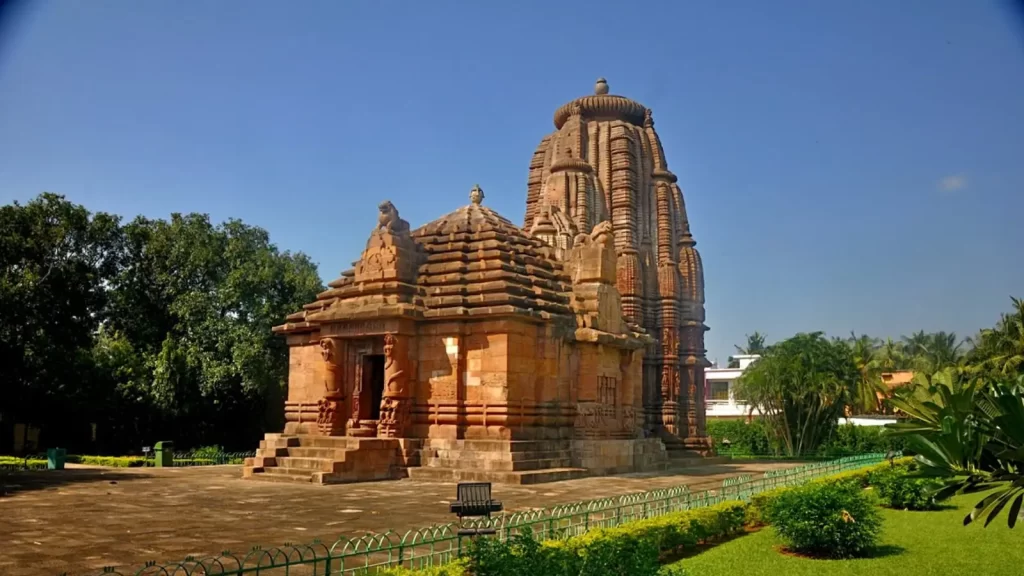
Rajarani Temple is another major attraction for travellers interested in architecture and history.The temple is particularly admired for its intricate stone carvings and graceful design. It is different from many active temples because it is primarily appreciated today as a historic monument rather than as a regular centre of worship.The detailed sculptures make Rajarani Temple an excellent stop for photographers, history lovers and anyone interested in Odisha’s traditional stone craftsmanship. Odisha Tourism lists Rajarani among Bhubaneswar’s key temple attractions.
Explore Udayagiri and Khandagiri Caves
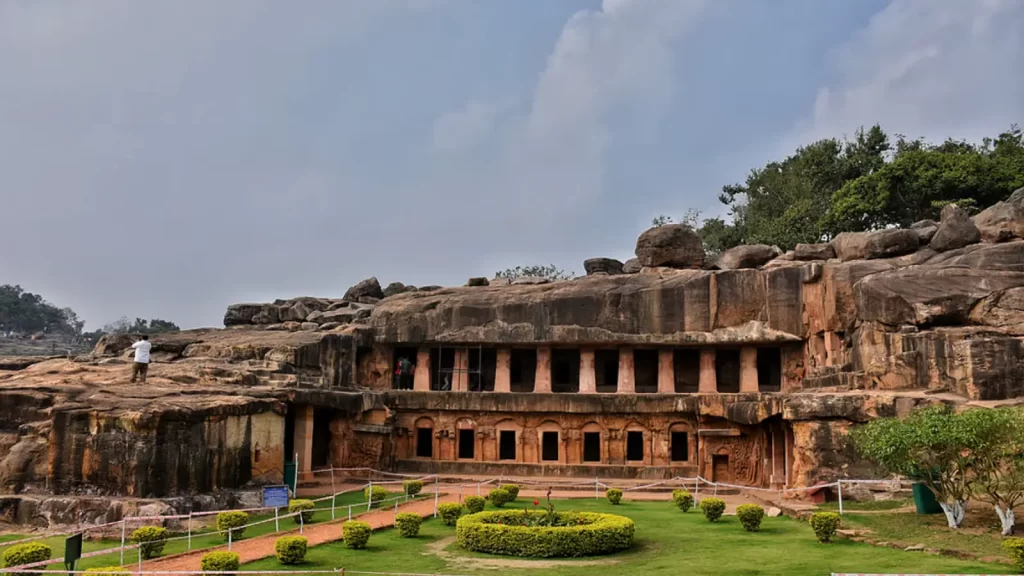
For history lovers, the Udayagiri and Khandagiri Caves are among the best places to visit near central Bhubaneswar.These ancient rock-cut caves are associated with Jain heritage and provide an insight into Odisha’s early history. The caves contain inscriptions, carvings and historic spaces carved into the hills.Odisha Tourism identifies Udayagiri and Khandagiri as an important relic of an earlier chapter of Odisha’s history and regularly includes them in Bhubaneswar sightseeing itineraries.
Wear comfortable footwear because exploring the caves involves walking and climbing uneven surfaces. Visiting earlier in the day can also make the experience more comfortable, particularly during warmer months.
Experience Peace at Dhauli Shanti Stupa
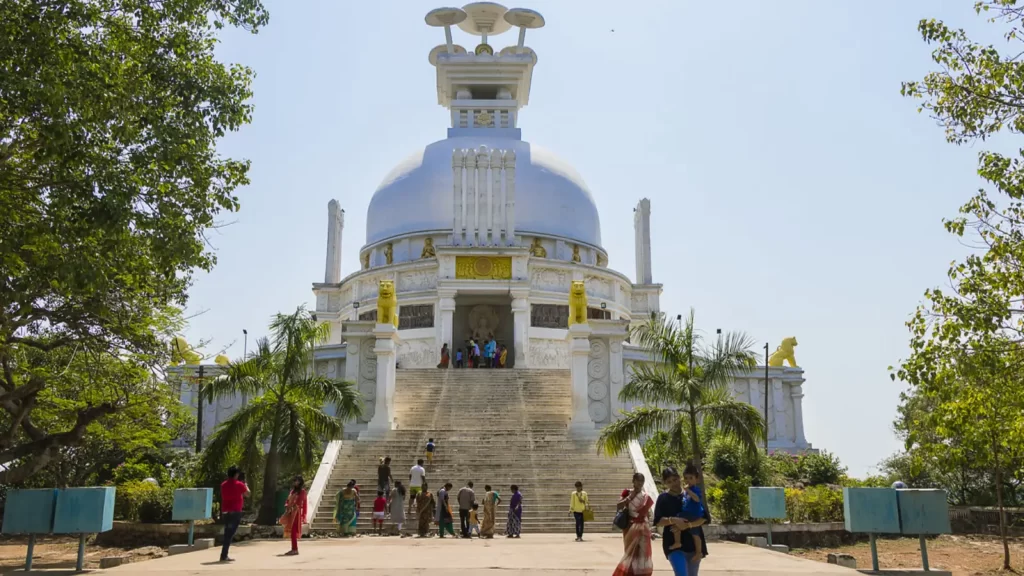
Dhauli is one of the most meaningful places to visit around Bhubaneswar.Located on the banks of the Daya River, Dhauli is associated with the history of the Kalinga War and Emperor Ashoka. Today, the hill is known for its peaceful Buddhist monument, commonly called the Shanti Stupa or Peace Pagoda, as well as Ashokan rock edicts.
The transformation associated with Ashoka and the Buddhist legacy makes Dhauli an important historical and spiritual destination. Odisha Tourism includes Dhauli’s Buddhist monument and Ashokan rock edicts in its Bhubaneswar and Golden Triangle itineraries.
The hill also offers an open landscape and is a pleasant place to spend time away from the busy city.
Visit Nandankanan Zoological Park
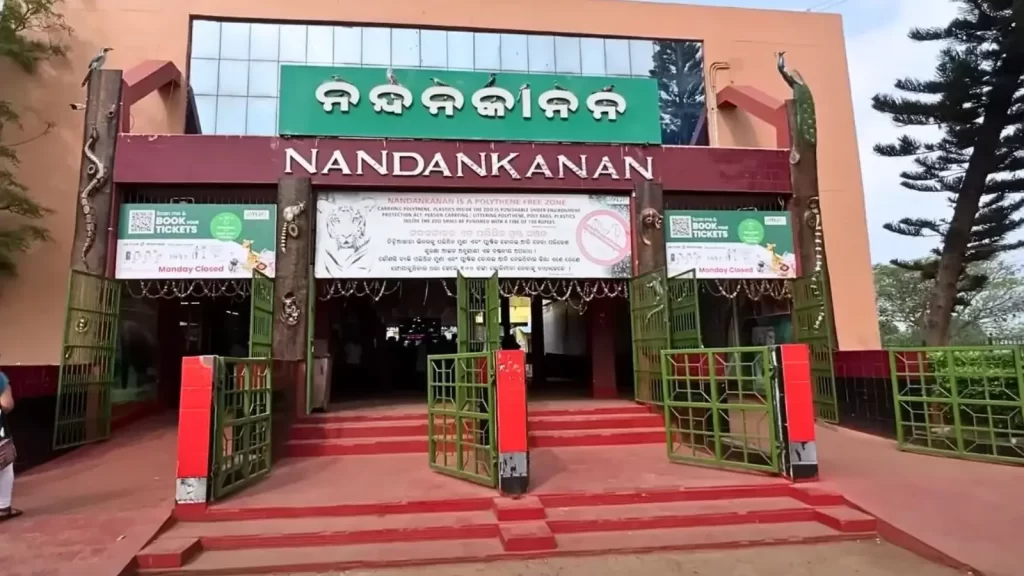
If you are travelling with children or enjoy wildlife, add Nandankanan Zoological Park to your Bhubaneswar itinerary.Nandankanan combines a zoological park, botanical surroundings and wildlife-focused experiences. It is especially known for its safari attractions and white tiger population.
Odisha Tourism describes Nandankanan as a major attraction near Bhubaneswar and highlights its zoo, botanical environment and safari experiences.
Plan several hours for the visit rather than trying to rush through it. Before travelling, check the current opening schedule, safari availability and weekly closure information.
Discover Odisha’s Tribal Culture
Travellers who want to understand Odisha beyond temples should visit the Odisha State Tribal Museum.The museum provides an opportunity to learn about the traditional lifestyle, crafts, communities and cultural heritage of Odisha’s tribal regions.It is particularly useful for travellers who may not have time to visit the tribal areas of southern Odisha but still want an introduction to the state’s cultural diversity.
Odisha Tourism includes the Tribal Museum in several Bhubaneswar sightseeing itineraries and describes it as a storehouse of Odisha’s vibrant tribal culture.
Explore Bhubaneswar’s Local Markets
Bhubaneswar’s local markets are perfect for experiencing the city beyond its famous temples. From traditional handicrafts and handloom sarees to silver jewellery, souvenirs, street food, and everyday local life, these markets offer visitors a glimpse into Odisha’s vibrant culture.
Ekamra Haat is a great place to discover Odisha’s traditional handicrafts, handloom products, stone and wood carvings, paintings, and regional textiles. It is especially useful if you want to take authentic Odisha souvenirs home.
Unit 1 Market is one of the city’s popular shopping areas, where you can explore clothing, accessories, household items, fresh produce, and local snacks while experiencing the lively atmosphere of a traditional city market.
Sahid Nagar and nearby shopping areas are ideal for visitors looking for modern shops, cafés, fashion stores, and local food options.
For a more traditional experience, look for Odisha handloom sarees, appliqué work, Pattachitra-inspired artwork, silver filigree jewellery, palm-leaf crafts, and handmade souvenirs. Bargaining may be possible in some local markets, but it is always better to compare prices and purchase from trusted sellers.

Try Authentic Odia Food
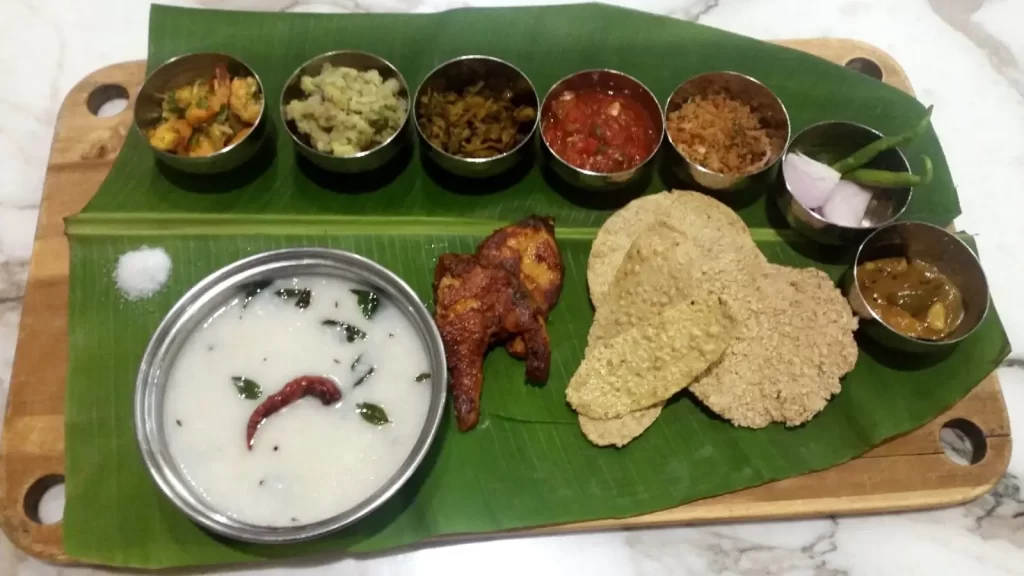
No trip to Bhubaneswar is complete without tasting authentic Odia cuisine. The food of Odisha is known for its simple flavours, traditional spices, comforting textures, and balanced use of vegetables, lentils, rice, and local ingredients. Here are some must-try dishes:
- Dalma – A traditional Odia dish made with lentils, raw papaya, pumpkin, potato, and other vegetables. It is lightly spiced and commonly enjoyed with steamed rice.
- Pakhala Bhata – A refreshing rice-based dish made by soaking cooked rice in water and allowing it to ferment slightly. It is especially popular during Odisha’s hot summer months and is often served with fried vegetables, fish, or other side dishes.
- Chhena Poda – One of Odisha’s most famous desserts, made from fresh chhena (cottage cheese), sugar, and cardamom, then baked until the outside develops a caramelized crust.
- Dahi Bara Aloo Dum – A popular street-food combination featuring soft lentil dumplings soaked in yogurt, served with spicy potato curry and tangy sauces. Bhubaneswar is particularly well known for this flavorful snack.
- Bara and Ghugni – Crispy lentil fritters served with a thick, mildly spicy chickpea curry. It is a popular local breakfast and snack.
- Machha Besara – Fish cooked in a traditional mustard-based gravy, giving the dish a distinctive sharp and aromatic flavour.
- Santula – A light and healthy vegetable preparation made with seasonal vegetables and minimal spices, making it a good choice for those who prefer mild food.
- Khechudi – A comforting preparation of rice and lentils cooked together with mild spices. It is also commonly associated with traditional temple cuisine.
- Khaja – A crisp, layered sweet that is particularly associated with Odisha and the Jagannath tradition. It is a popular choice for visitors looking for a traditional sweet to try.
Explore Bhubaneswar After Sunset
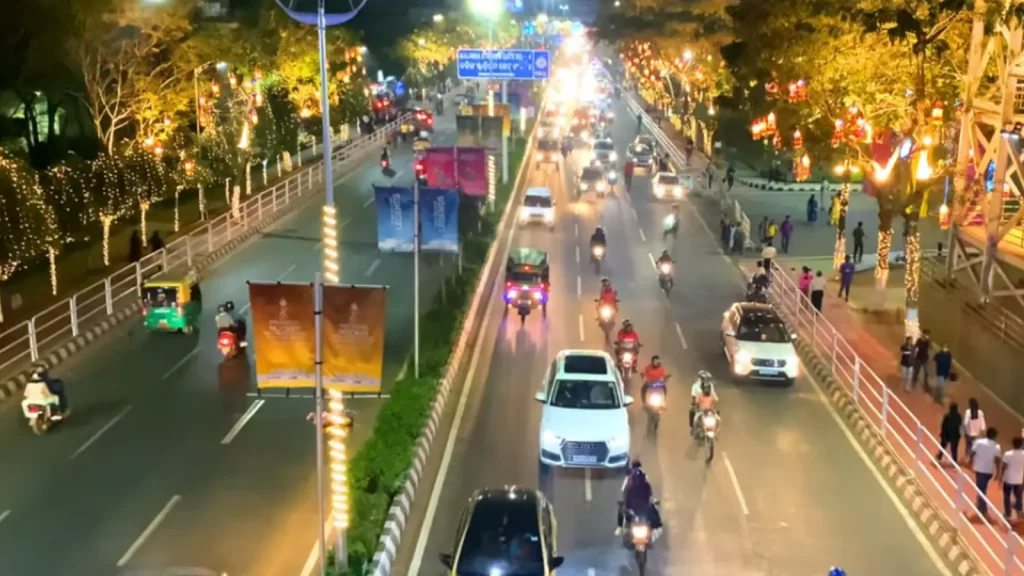
Bhubaneswar has a lively side that comes alive after sunset. Beyond temples and historical attractions, the city offers restaurants, cafés, lounges, pubs, clubs, and evening hangouts where you can relax, enjoy good food, listen to music, and spend time with friends or family.
- Rooftop Restaurants – Enjoy dinner with city views, pleasant evening weather, and a relaxed atmosphere. Rooftop dining is a great choice for couples, families, and groups.
- Cafés & Coffee Spots – Bhubaneswar has plenty of modern cafés where you can enjoy coffee, desserts, snacks, and casual conversations. These are ideal for a relaxed evening.
- Restaurants – From traditional Odia cuisine to Indian, Chinese, continental, and international dishes, the city offers restaurants for different tastes and budgets.
- Pubs & Lounges – For a more energetic evening, visit a lounge or pub for music, drinks, and a social atmosphere. These places are especially popular among young travelers and groups of friends.
- Clubs & Nightlife – Selected areas of the city offer clubs and entertainment venues where you can enjoy DJs, music, dancing, and themed evenings.
- Street Food at Night – If you prefer a casual experience, explore popular evening food spots for local snacks such as Dahi Bara Aloo Dum, Bara-Ghugni, chaats, rolls, and sweets.
- Evening Walks & City Vibes – Some commercial areas become especially lively after sunset, with illuminated streets, shops, cafés, and restaurants creating a different atmosphere from daytime Bhubaneswar.
Visit Bhubaneswar’s Museums and Cultural Spaces
Bhubaneswar is not only famous for its ancient temples but also for its museums, art galleries, tribal collections, and cultural spaces. Visiting these places gives travelers a deeper understanding of Odisha’s history, art, tribal traditions, archaeology, and cultural heritage.
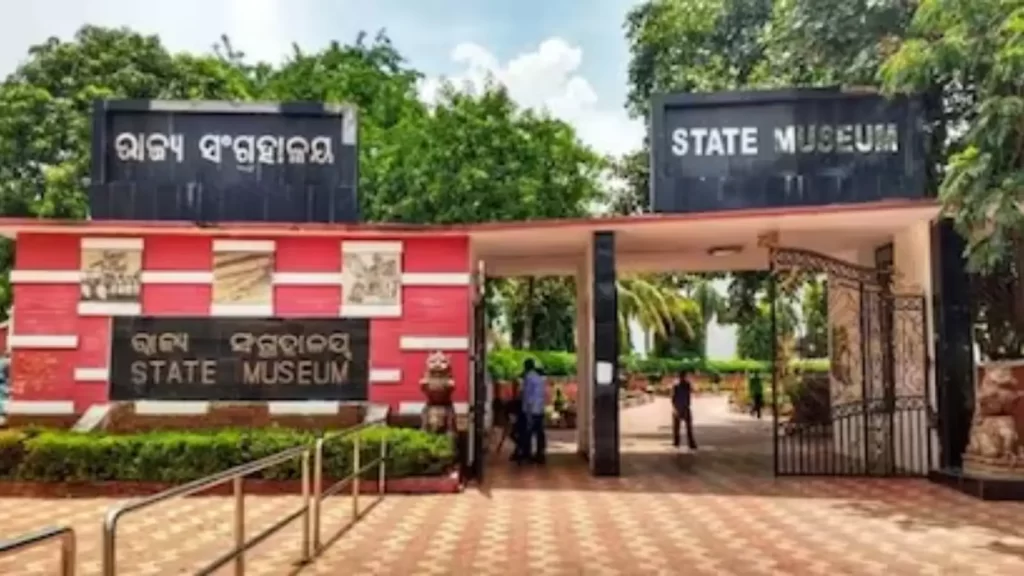
- Odisha State Museum – A must-visit for history lovers, the museum houses archaeological discoveries, ancient sculptures, coins, inscriptions, manuscripts, traditional paintings, and other collections that showcase Odisha’s rich past.
- Tribal Museum – Explore the cultural heritage of Odisha’s tribal communities through traditional clothing, ornaments, tools, musical instruments, household objects, and displays representing tribal lifestyles.
- Regional Museum of Natural History – A good choice for families and students, this museum focuses on biodiversity, wildlife, plants, ecosystems, and environmental conservation through educational exhibits.
- Kala Bhoomi – Odisha Crafts Museum – Discover Odisha’s traditional craftsmanship, including handloom, textiles, stone carving, wood carving, metalwork, paintings, and other forms of indigenous art.
- Ekamra Haat – More than a shopping destination, this cultural marketplace provides an opportunity to see and purchase traditional Odisha handicrafts, handloom products, artwork, and regional crafts.
- Ravindra Mandap and Cultural Venues – Keep an eye out for cultural programmes, classical dance performances, music events, theatre shows, exhibitions, and festivals that showcase Odisha’s artistic traditions.
Visiting these cultural spaces is a great way to go beyond sightseeing and understand the stories, craftsmanship, traditions, and communities that have shaped Bhubaneswar and Odisha.
Best Time to Visit Bhubaneswar
The best time to visit Bhubaneswar is from October to March, when the weather is generally more comfortable for sightseeing, temple visits, shopping, and exploring nearby attractions. This period is especially suitable for travelers who want to explore the city without dealing with the intense summer heat.
- October to November – Post-Monsoon: The city becomes greener after the monsoon, and the weather gradually becomes pleasant. It is a good time for sightseeing and exploring Bhubaneswar’s temples and cultural attractions.
- December to February – Winter: This is considered one of the most comfortable periods to explore Bhubaneswar. Cooler mornings and evenings make it easier to visit temples, museums, markets, and nearby attractions.
- March – Early Summer: March can still be a good time to visit, although temperatures begin to rise toward the end of the month. Plan outdoor sightseeing during the morning or late afternoon.
- April to June – Summer: Bhubaneswar can become quite hot, particularly during the daytime. If you visit during this period, start sightseeing early and keep indoor attractions, cafés, and evening activities in your itinerary.
- July to September – Monsoon: The city receives rainfall and the surroundings become lush and green. Monsoon can be attractive for travelers who enjoy rainy weather and greenery, although heavy rain may sometimes affect outdoor sightseeing.
Overall, October to March is the best choice for a comfortable Bhubaneswar trip, while monsoon is a good option if you enjoy greenery and a quieter travel experience.
How to Reach Bhubaneswar
Bhubaneswar is one of Odisha’s best-connected cities, making it easy to reach by air, train, and road. Its location also makes it a convenient starting point for exploring destinations such as Puri, Konark, Cuttack, and Chilika.
By Air
The easiest option for travelers coming from distant cities is Biju Patnaik International Airport (BBI). The airport is located within Bhubaneswar and has regular flight connections with several major Indian cities. From the airport, you can take a taxi, cab, or other local transport to reach your hotel or explore the city.
By Train
Bhubaneswar Railway Station is a major railway station with regular trains connecting the city with Delhi, Kolkata, Mumbai, Chennai, Bengaluru, Hyderabad, and other parts of India. Khurda Road Junction is another important railway station serving the Bhubaneswar region.
For many travelers, train travel is a convenient and economical way to reach the city.
By Road
Bhubaneswar has good road connectivity with major cities and towns across Odisha and neighbouring states. You can reach the city by private car, taxi, bus, or interstate bus services.
Popular road connections include:
- Puri to Bhubaneswar: Around 60 km
- Cuttack to Bhubaneswar: Around 25 km
- Konark to Bhubaneswar: Around 65 km
- Kolkata to Bhubaneswar: Around 440 km
Road distances and travel times can vary depending on the route and traffic conditions.
Getting Around Bhubaneswar
Once you arrive, you can explore the city using taxis, app-based cabs, auto-rickshaws, buses, and rental vehicles. For temple hopping and sightseeing, hiring a cab for several hours can be convenient, especially if you plan to visit attractions spread across different parts of the city.
Why Bhubaneswar Is Perfect for a Cultural Trip
Bhubaneswar is an excellent destination for travelers who want to experience Odisha’s history, temples, art, food, traditions, and everyday culture in one place. Often called the “Temple City of India,” the city combines centuries-old heritage with a modern urban lifestyle.
- Ancient Temple Architecture – Explore magnificent temples such as Lingaraj, Mukteshwar, Rajarani, and Brahmeswar to see Odisha’s distinctive Kalinga-style architecture.
- Rich Historical Heritage – Sites such as Udayagiri and Khandagiri Caves and Dhauli offer fascinating insights into Odisha’s ancient history and Buddhist heritage.
- Traditional Arts and Crafts – Bhubaneswar is a great place to discover Odisha’s handloom, stone carving, wood carving, Pattachitra-inspired artwork, silver filigree, palm-leaf crafts, and other traditional art forms.
- Museums and Cultural Spaces – Museums and cultural centres allow visitors to learn about Odisha’s archaeology, tribal communities, handicrafts, natural heritage, and traditional lifestyle.
- Authentic Odia Cuisine – From Dalma and Pakhala Bhata to Dahi Bara Aloo Dum and Chhena Poda, local food adds another important dimension to the cultural experience.
- Festivals and Traditions – Throughout the year, Bhubaneswar hosts religious celebrations, cultural programmes, classical dance performances, handicraft events, and traditional festivals.
- Living Culture – The cultural experience is not limited to monuments. Local markets, neighbourhoods, food stalls, temples, festivals, and traditional practices allow visitors to experience how Odisha’s heritage continues in everyday life.
- Gateway to Odisha’s Heritage – Bhubaneswar is also an ideal base for exploring nearby cultural destinations such as Puri, Konark, and Cuttack, making it easy to include several heritage experiences in one trip.
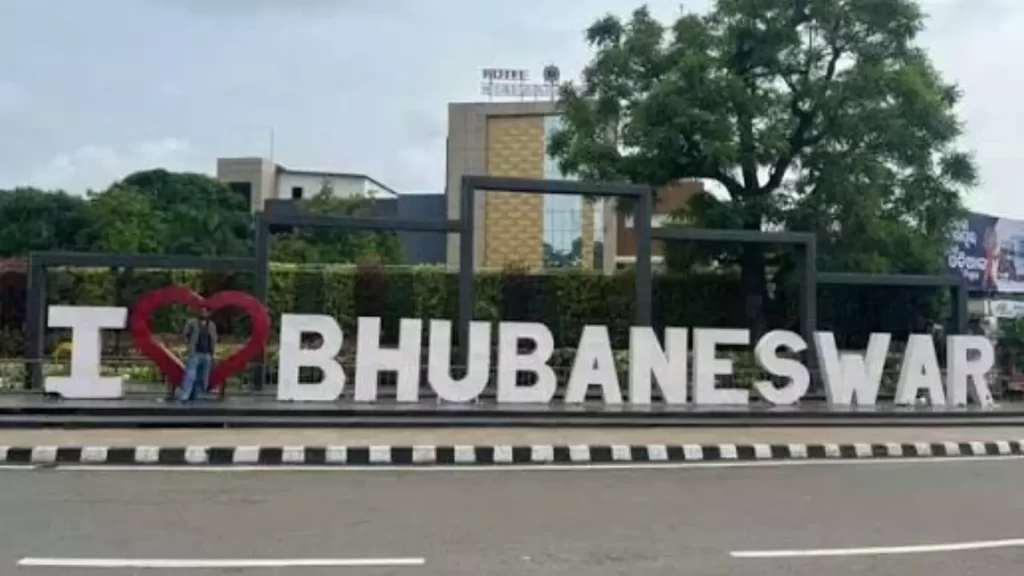
Bhubaneswar is a city where Odisha’s past and present meet naturally. Its historic temples, ancient caves, Buddhist heritage, museums, tribal culture, handicrafts, food and modern lifestyle make it one of the most rewarding cities to explore in eastern India.For first-time visitors, the best approach is not to rush through every attraction. Take time to notice the carvings, understand the stories behind the monuments, taste local food and experience the rhythm of the city.
Whether your interest is spirituality, history, architecture, photography, culture or simply discovering a different side of India, Bhubaneswar has something worth remembering.
FAQs
1.What are the best places to visit in Bhubaneswar?
The best places to visit in Bhubaneswar include Lingaraj Temple, Mukteswar Temple, Rajarani Temple, Udayagiri and Khandagiri Caves, Dhauli Shanti Stupa and Nandankanan Zoological Park. Each offers a different experience of Odisha’s history, culture and nature.
2.What is Bhubaneswar famous for?
Bhubaneswar is famous for its ancient temples, Kalinga-style architecture and rich cultural heritage. It is popularly known as the Temple City of India and is an important gateway to Puri and Konark.
3.How many days are enough for Bhubaneswar?
Two days are ideal for exploring the major attractions of Bhubaneswar without rushing. If you want to visit museums, Nandankanan and nearby attractions, consider staying for three days.
4.What are the best things to do in Bhubaneswar?
You can explore ancient temples, visit Udayagiri-Khandagiri Caves, discover Odisha’s tribal heritage, enjoy authentic Odia food and shop for local handicrafts. A visit to Dhauli is also recommended for its history and peaceful atmosphere.
5.What is the best time to visit Bhubaneswar?
The best time to visit Bhubaneswar is generally October to February, when the weather is more comfortable for sightseeing. Monsoon is also attractive for travellers who enjoy greenery, while summer afternoons can be quite hot.
6.Which temples should I visit in Bhubaneswar?
Lingaraj Temple, Mukteswar Temple, Rajarani Temple, Parasurameswara Temple and Ananta Basudeva Temple are among the notable temples to explore. Together, they showcase different aspects of Odisha’s historic temple architecture and religious traditions.
7.What are the best places to visit near Bhubaneswar?
Popular places near Bhubaneswar include Dhauli, Udayagiri-Khandagiri Caves and Nandankanan. Puri and Konark are also excellent additions, making Bhubaneswar a convenient starting point for Odisha’s famous Golden Triangle.
8.What food is Bhubaneswar famous for?
Bhubaneswar is a great place to experience authentic Odia cuisine, including Dalma, Pakhala, Santula, Besara and Chenapoda. An Odia thali is an excellent choice if you want to taste several traditional dishes in one meal.
9.Is Bhubaneswar good for a family trip?
Yes, Bhubaneswar is suitable for family trips because it offers temples, museums, caves, cultural attractions and Nandankanan Zoological Park. Families can easily combine educational experiences with nature, food and sightseeing.
10.Can I visit Bhubaneswar, Puri and Konark in one trip?
Yes, Bhubaneswar, Puri and Konark can be comfortably combined in one Odisha trip. This popular route is often called the Golden Triangle of Odisha and is ideal for experiencing temples, heritage, beaches and local culture.