
Debrigarh Wildlife Experience: Where the Wild Meets Hirakud
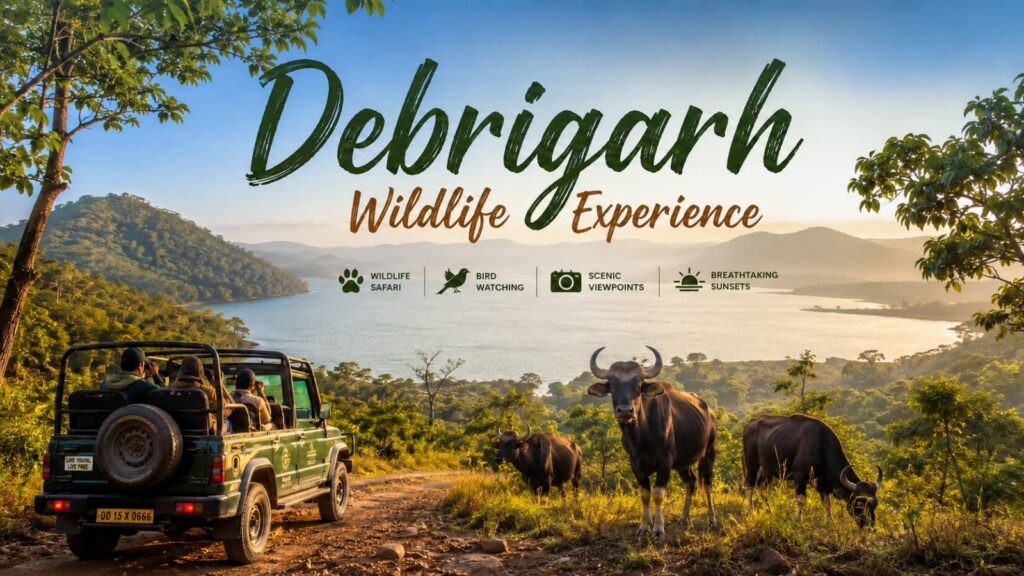
The Debrigarh Wildlife Experience is unlike any other wildlife adventure in India. Nestled on the shores of the vast Hirakud Reservoir in Odisha, Debrigarh Wildlife Sanctuary is a place where lush forests blend seamlessly with endless blue waters, creating a landscape of extraordinary natural beauty. This rare combination of rich wildlife, scenic reservoir views, and peaceful wilderness makes Debrigarh one of Odisha’s most rewarding destinations for nature lovers.
A visit to Debrigarh is more than a wildlife safari—it’s a journey into one of Odisha’s most scenic natural landscapes. Surrounded by lush forests and the vast Hirakud Reservoir, every moment here feels like a new discovery. In this guide, you’ll find all the essential information to plan a memorable and hassle-free visit.
Why Debrigarh Stands Apart ?
Many wildlife sanctuaries are famous for a single attraction, such as tigers or elephants. Debrigarh stands apart because it combines forest landscapes, lakeside scenery, wildlife encounters, and eco-tourism in one destination.
Some of its unique highlights include:
- Forests bordering the Hirakud Reservoir
- Open grasslands perfect for wildlife sightings
- More than 250 bird species
- Guided jeep safaris
- Beautiful sunset viewpoints
- Less crowded than many popular safari parks
The Story Behind Debrigarh Wildlife Sanctuary
Debrigarh is not only rich in biodiversity but also holds historical significance. The sanctuary is believed to have been a refuge of Veer Surendra Sai, the legendary freedom fighter who resisted British rule during the nineteenth century. The surrounding hills provided natural protection during his struggle.
Recognising its ecological importance, the Government of Odisha declared Debrigarh a Wildlife Sanctuary in 1985 to protect its forests, wildlife, and bird habitats.
- Today, conservation efforts continue to preserve this remarkable ecosystem.
Where Forest Meets Hirakud
Debrigarh Wildlife Sanctuary is located in Bargarh District of Odisha, close to the famous Hirakud Dam and Sambalpur city.
Approximate distances:
- Sambalpur – 40 km
- Hirakud Dam – 25 km
- Bargarh – 45 km
- Bhubaneswar – around 300 km
Its location beside the enormous Hirakud Reservoir creates one of the most scenic wildlife destinations in eastern India.
How to Reach Debrigarh
- By Road : Regular buses and taxis connect Sambalpur with Debrigarh. Self-driving is also a great option because the roads are well maintained.
- By Train : The nearest railway station is Sambalpur Junction, which is well connected with major Indian cities.
- By Air : The nearest airport is Veer Surendra Sai Airport (Jharsuguda), approximately 75 km away. From the airport, taxis are easily available.
Why Hirakud Reservoir Makes Debrigarh So Unique
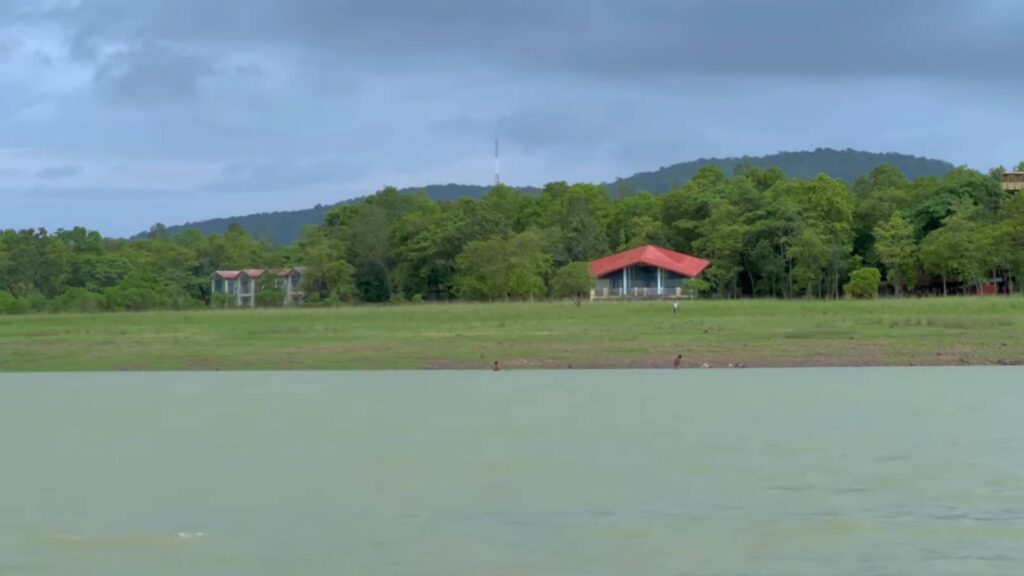
One of the biggest reasons travellers love the Debrigarh Wildlife Experience is the incredible backdrop of the Hirakud Reservoir.
Surrounded by forests and the Hirakud Reservoir, visitors can enjoy:
- Forests meeting calm blue waters
- Beautiful island landscapes
- Migratory birds along the shoreline
- Stunning sunrise and sunset views
- Rich aquatic ecosystems

Wildlife You Can Spot During a Debrigarh Safari
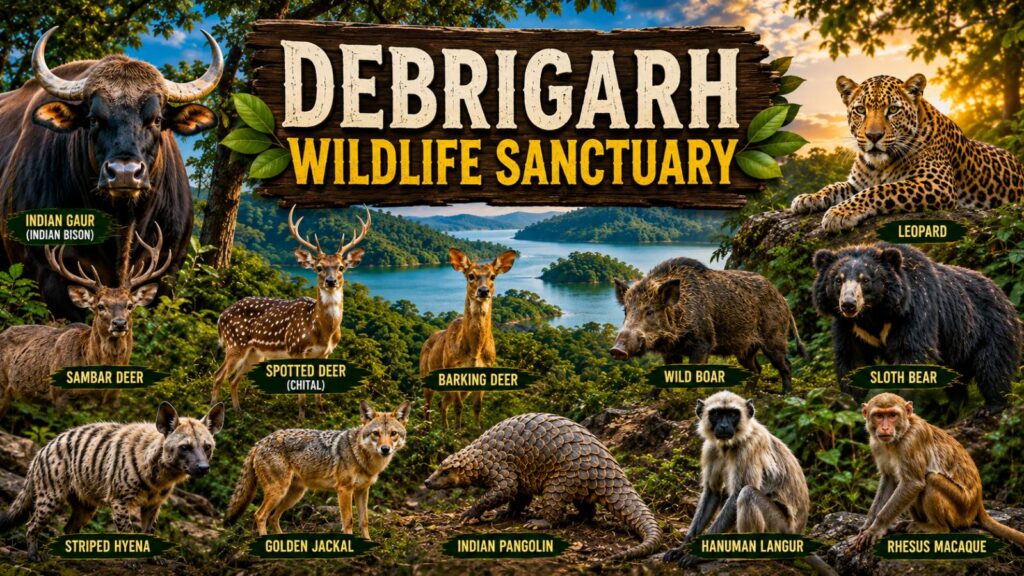
Every safari through Debrigarh Wildlife Sanctuary offers the excitement of spotting animals in their natural habitat. While sightings vary with the season, weather, and time of day, the sanctuary is home to an impressive variety of mammals that make every visit unique.
Some of the wildlife you may encounter includes:
- Indian Gaur (Indian Bison) – The sanctuary’s iconic resident and one of the largest wild bovines in the world.
- Leopard – A shy and elusive predator occasionally seen during early morning or evening safaris.
- Sambar Deer
- Spotted Deer (Chital)
- Barking Deer
- Wild Boar
- Sloth Bear
- Striped Hyena
- Golden Jackal
- Indian Pangolin
- Hanuman Langur
- Rhesus Macaque
Birdwatching in Debrigarh: A Paradise for Bird Lovers
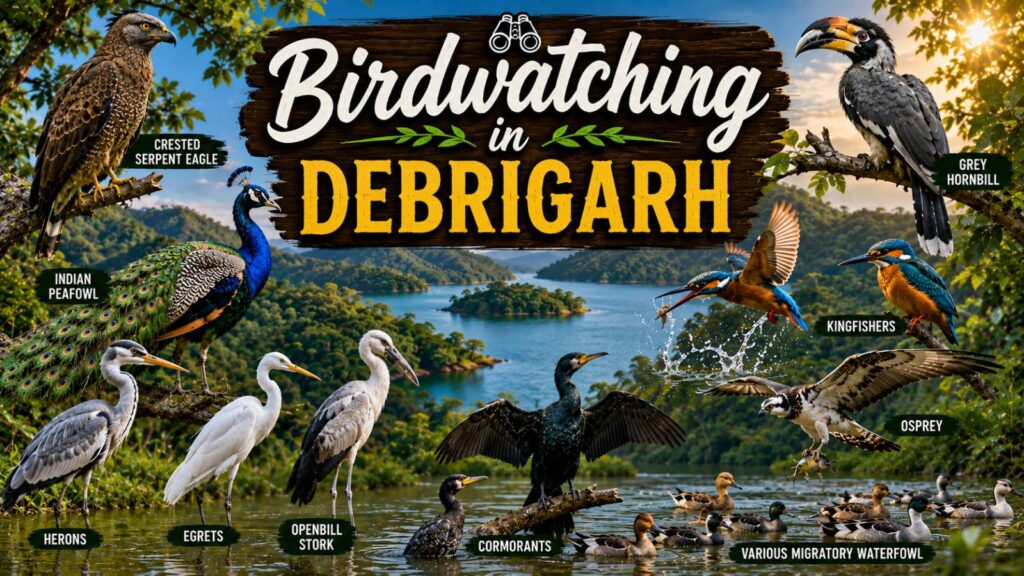
Over 250 bird species have been recorded, including resident and migratory birds.
Popular birds include:
- Crested Serpent Eagle
- Indian Peafowl
- Grey Hornbill
- Kingfishers
- Herons
- Egrets
- Openbill Stork
- Cormorants
- Osprey
- Various migratory waterfowl
(Winter attracts numerous migratory birds, making it the ideal season for bird photography.)
Inside the Debrigarh Jeep Safari Experience
A guided jeep safari is the best way to explore the sanctuary. Experienced guides help visitors identify animals, explain their behaviour, and share interesting facts about the sanctuary.
The safari typically includes:
- Dense forest trails
- Grasslands
- Waterbody viewpoints
- Wildlife observation areas
- Birdwatching stops
- Scenic photography points
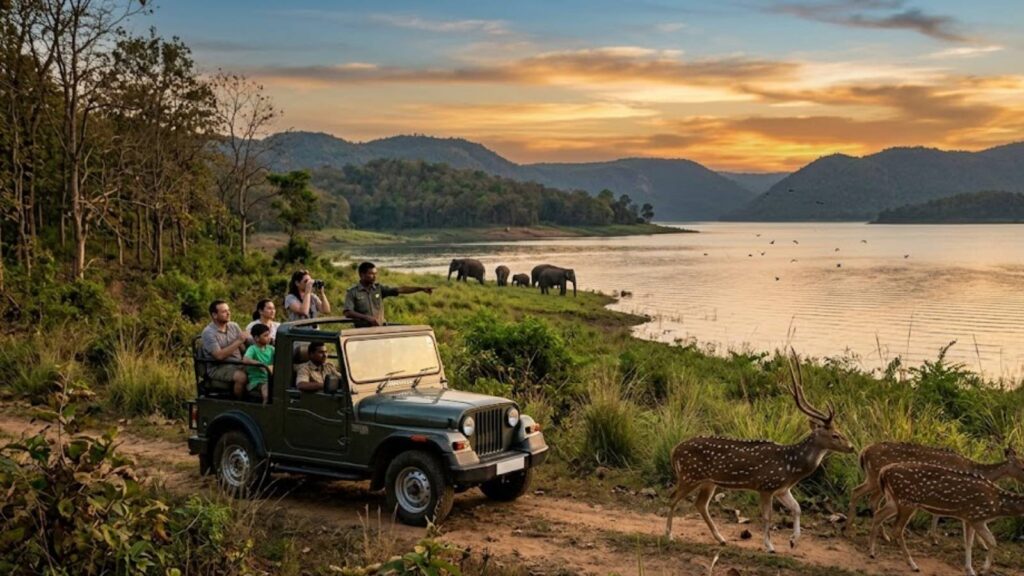
(Note: Morning safaris usually provide the highest chance of wildlife sightings.)
Best Safari Zones and Scenic Viewpoints
Debrigarh Wildlife Sanctuary offers a mix of wildlife-rich areas and scenic landscapes for nature lovers. The sanctuary’s forest trails provide opportunities to spot deer, gaur, wild boar, birds, and other wildlife. Viewpoints around Hirakud Reservoir offer stunning views of water, hills, forests, and open landscapes. Early morning and late afternoon are ideal for safaris, when wildlife is more active and the scenery is especially beautiful. Popular viewpoints include:
- Hirakud Reservoir viewpoints
- Forest watchtowers
- Open grasslands
- Sunset points overlooking the water
- Hilltop panoramic viewpoints
(Each location offers unique opportunities for photography and wildlife observation.)
Best Time to Visit Debrigarh Wildlife Sanctuary
The best time to visit Debrigarh Wildlife Sanctuary is from October to June, when the weather is generally suitable for safaris and nature exploration. Winter (November to February) offers pleasant temperatures and comfortable sightseeing conditions. Summer (March to June) can be warmer, but wildlife sightings may improve as animals gather near available water sources. The monsoon season brings lush greenery, although safari access may be affected by rain and local conditions.
October to February
- Pleasant weather
- Excellent birdwatching
- Clear skies
- Comfortable safari experience
March to May
- Better wildlife sightings
- Animals gather near water sources
- Warm daytime temperatures
(Note: The monsoon season brings lush greenery, though safari operations may be limited depending on weather conditions.)
Safari Timings, Entry Fee & Booking Information
Visitors should always confirm the latest details before travelling, as fees and timings may change. The sanctuary generally operates two safari sessions each day:
| Safari Session | Timing |
|---|---|
| Morning Safari | 6:00 AM – 10:00 AM |
| Afternoon Safari | 2:30 PM – 6:00 PM |
Entry Charges
| Category | Fee |
|---|---|
| Adult (Indian) | ₹40/- per person |
| Child (Indian) (below 8 years of age free) | ₹40/- per child |
| Foreign National | $0.42 per person |
| Jeep Safari | ₹3,000/- to ₹6,500/- per jeep |
| Camera (Still) | ₹50/- per day |
| Video Camera | ₹50/- to ₹200/- |
| Private Vehicle Entry | Managed eco-tourism vehicles |
| Parking | ₹3,000/- to ₹6,500/- (Jungle safari vehicle) |
Nature Photography Tips for Debrigarh
Debrigarh Wildlife Sanctuary offers excellent opportunities to capture wildlife, forests, hills, and the scenic Hirakud Reservoir. Carry a camera with a telephoto lens for photographing animals and birds from a safe distance. Early morning and late afternoon provide softer natural light and better chances of wildlife sightings. Avoid using flash or disturbing animals, and follow safari guidelines to ensure responsible and ethical wildlife photography. Below are helpful tips:
- Carry a zoom lens for wildlife.
- Visit early in the morning for soft natural light.
- Keep your camera ready during the safari.
- Avoid sudden movements that may disturb animals.
- Maintain a safe distance from wildlife.
- Be patient, as the best sightings often happen unexpectedly.
(Note : Remember that respecting wildlife always comes before getting the perfect photograph.)
Things to Carry for Your Wildlife Adventure
Packing wisely can make your trip more comfortable. Essential items include:
- Comfortable walking shoes
- Hat or cap
- Sunglasses
- Drinking water
- Sunscreen
- Binoculars
- Camera with extra batteries
- Power bank
- Light snacks
- Insect repellent
- Identity proof
(Note : Wear earth-toned clothing to blend into the natural surroundings and avoid bright colours.)
Nearby Attractions to Combine with Your Debrigarh Trip
- Hirakud Dam
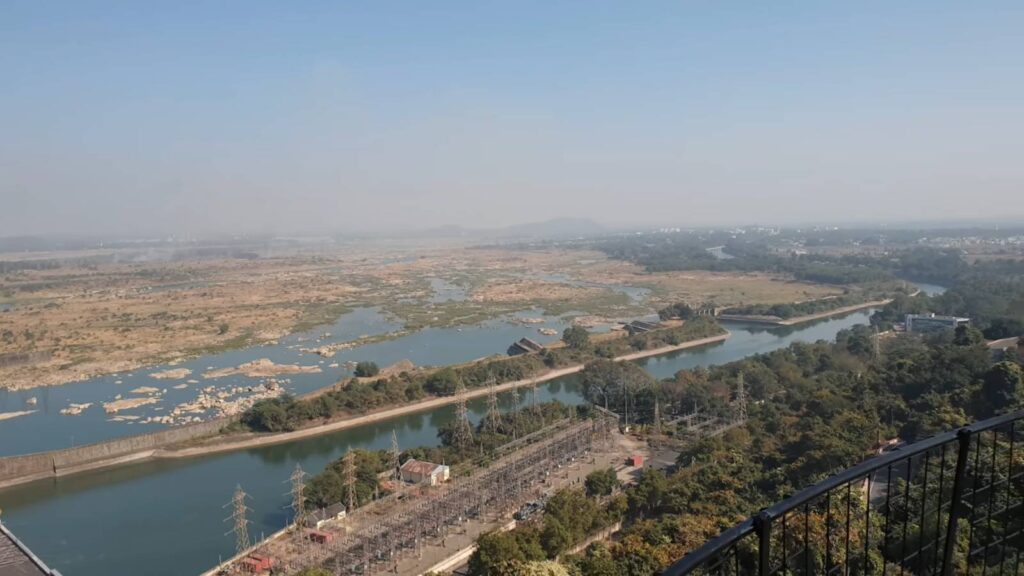
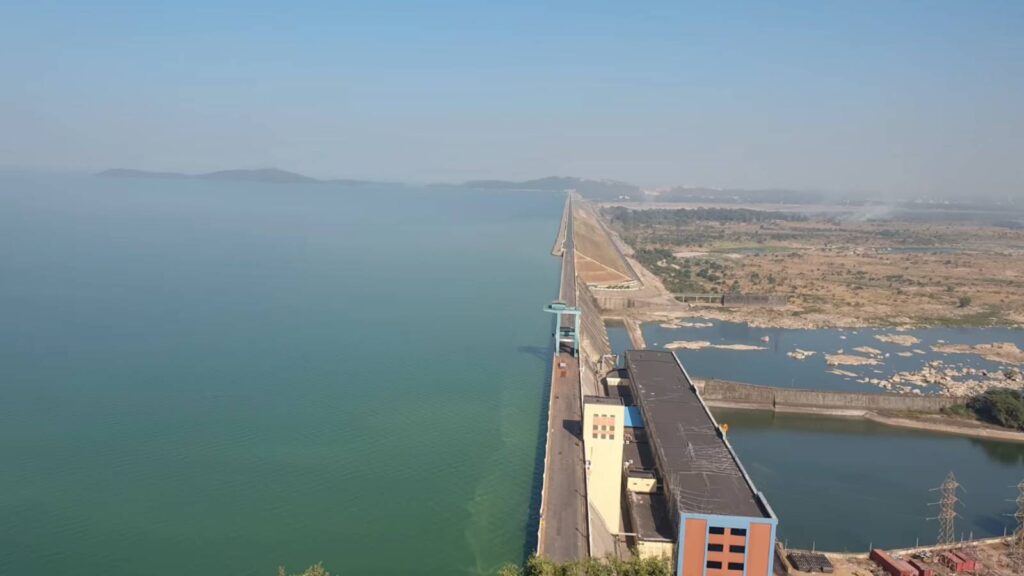
Located just a short drive from Debrigarh, Hirakud Dam is one of the world’s longest earthen dams, stretching across the Mahanadi River. It offers spectacular panoramic views of the vast Hirakud Reservoir, especially during sunrise and sunset. Visitors can also enjoy scenic viewpoints, lush gardens, and opportunities for photography.
- Maa Samaleswari Temple
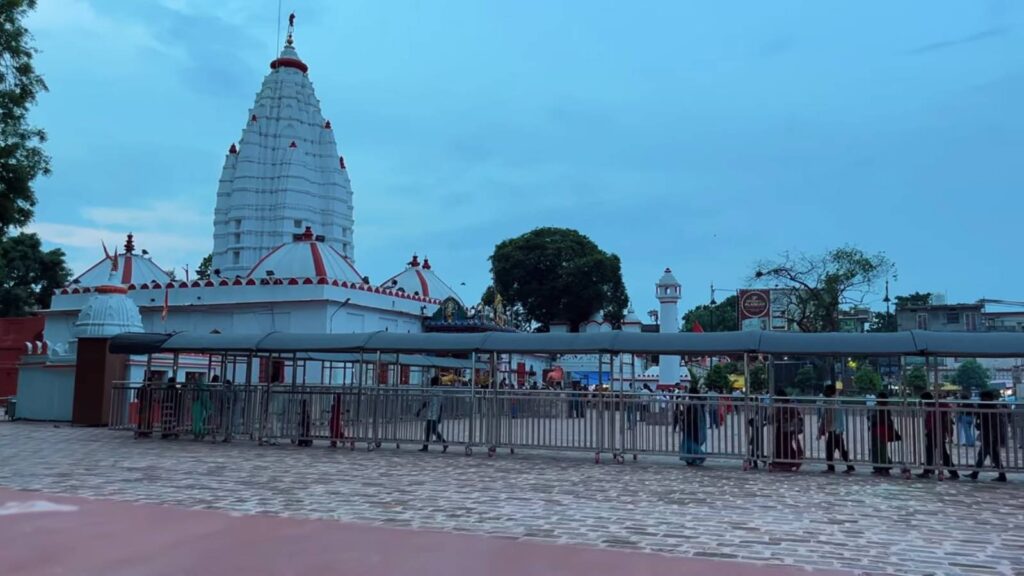
Situated in the heart of Sambalpur, Maa Samaleswari Temple is one of western Odisha’s most revered Hindu shrines. Dedicated to Goddess Samaleswari, the temple attracts thousands of devotees throughout the year. Its peaceful atmosphere, rich history, and beautiful architecture make it a must-visit spiritual destination.
- Leaning Temple of Huma
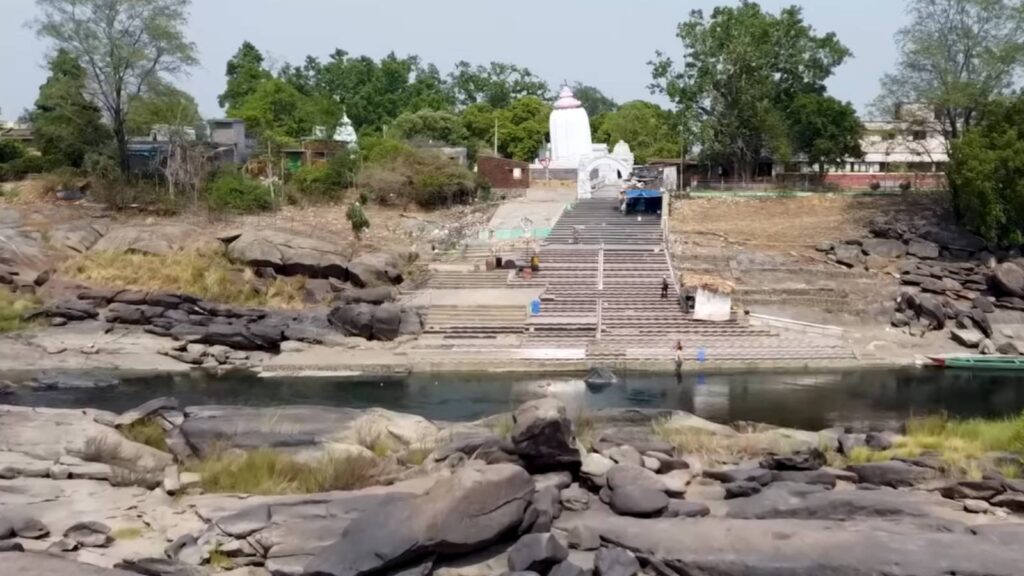
Around 25 km from Sambalpur, the Leaning Temple of Huma is famous for its remarkable tilted structure built on the banks of the Mahanadi River. Dedicated to Lord Shiva, the temple has intrigued visitors for centuries, as no one knows the exact reason behind its unique inclination. It is a fascinating blend of faith, history, and architectural mystery.
- Cattle Island
Located within the Hirakud Reservoir, Cattle Island is one of India’s most unique natural attractions. The island is home to a large population of wild cattle that have adapted to living without human care for decades. Accessible by boat, it offers visitors a rare opportunity to witness this extraordinary ecosystem surrounded by the scenic waters of the reservoir.
- Sambalpur City
A visit to Sambalpur lets you experience the vibrant culture of western Odisha. Explore bustling local markets known for their world-famous Sambalpuri handloom sarees and textiles, savour authentic Odia delicacies, and discover the city’s rich traditions and warm hospitality. It is the perfect place to end your Debrigarh adventure with shopping and local flavours.

A Debrigarh Wildlife Experience is far more than just another safari. It is a journey through peaceful forests, shimmering waters, diverse wildlife, and the rich natural heritage of Odisha. Whether you’re watching a herd of Indian Gaur grazing in open meadows, photographing migratory birds by the Hirakud Reservoir, or simply enjoying the calm beauty of the landscape, every moment offers a deeper connection with nature.
FAQs
1. What is Debrigarh Wildlife Sanctuary famous for?
Debrigarh Wildlife Sanctuary is renowned for its thriving population of Indian Gaur (Indian Bison), diverse wildlife, and the unique landscape where dense forests meet the vast Hirakud Reservoir. It is also a popular destination for wildlife safaris, birdwatching, and nature photography.
2. What is the best time to visit Debrigarh Wildlife Sanctuary?
The ideal time to visit is October to March, when the weather is pleasant and wildlife sightings are more frequent. Winter is especially popular for birdwatching, as many migratory birds visit the Hirakud Reservoir during this season.
3. How can I book a safari at Debrigarh Wildlife Sanctuary?
Safari bookings can usually be made through the Odisha Forest Department, authorised eco-tourism portals, or the sanctuary’s booking counter. Since seats are limited, advance booking is recommended during weekends, holidays, and the peak tourist season.
4. Which animals can be seen at Debrigarh Wildlife Sanctuary?
Visitors may spot Indian Gaur, leopards, sloth bears, sambar deer, spotted deer, barking deer, wild boars, hyenas, jackals, langurs, and rhesus macaques. Wildlife sightings depend on the season, weather conditions, and safari timing.
5. Is Debrigarh Wildlife Sanctuary suitable for birdwatching?
Yes, Debrigarh is one of Odisha’s excellent birdwatching destinations. The forests and the Hirakud Reservoir attract numerous resident and migratory bird species, making it an ideal place for bird lovers and wildlife photographers.
6. How much time should I spend at Debrigarh Wildlife Sanctuary?
A half-day visit is enough for a jeep safari, but spending a full day allows you to explore scenic viewpoints, enjoy birdwatching, and visit nearby attractions such as Hirakud Dam and Cattle Island for a more complete experience.
7. What should I carry for a Debrigarh wildlife safari?
Wear comfortable clothing in earthy colours and carry drinking water, sunscreen, a hat, binoculars, and a camera with a zoom lens. Following the safari guidelines and maintaining silence will improve your chances of spotting wildlife.
8. How far is Debrigarh Wildlife Sanctuary from Sambalpur?
Debrigarh Wildlife Sanctuary is located approximately 40 km from Sambalpur and can be reached in about an hour by road. The drive passes through scenic landscapes, making the journey enjoyable for visitors.
9. Can I visit Hirakud Dam and Debrigarh Wildlife Sanctuary on the same day?
Yes, many travellers combine both attractions in a single trip because they are located close to each other. A morning or afternoon safari at Debrigarh can be paired with a visit to Hirakud Dam for panoramic reservoir views and a memorable day of sightseeing.
10. Why should I visit Debrigarh Wildlife Sanctuary?
Debrigarh offers a rare experience where wildlife, forests, and the expansive Hirakud Reservoir come together in one destination. Whether you’re seeking adventure, photography, birdwatching, or a peaceful escape into nature, the sanctuary provides an unforgettable experience for every traveller.