
Hidden Charges in Puri Temple You Should Know
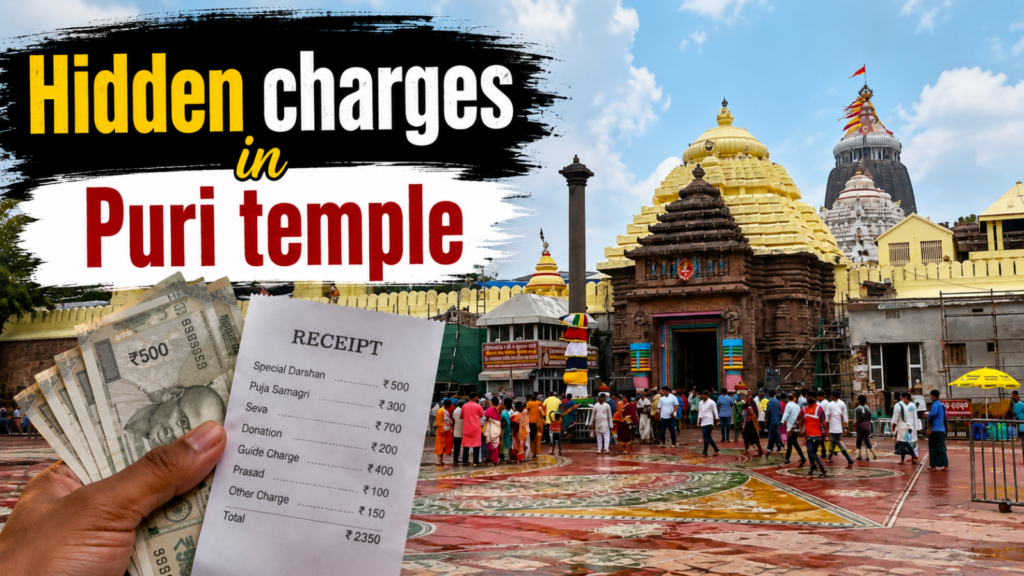
A visit to Puri Jagannath Temple is a deeply meaningful experience for devotees and travelers visiting Odisha. However, first-time visitors may sometimes be unsure about which expenses are official, which are optional, and which may come from services offered around the temple.
The term “hidden charges” can be misleading because not every additional expense is a temple fee. Some costs may relate to accommodation, transportation, religious services, offerings, guides or other facilities. Understanding these expenses before your visit can help you plan your budget, avoid confusion and enjoy your pilgrimage with greater peace of mind.
Puri Jagannath Temple: What Visitors Should Know
The Shree Jagannath Temple in Puri is one of India’s most important pilgrimage destinations and a major attraction in Odisha. The temple is particularly famous for Lord Jagannath, along with Lord Balabhadra and Devi Subhadra. It also forms an important part of the Char Dham pilgrimage.
Before visiting, travelers should understand that temple rules, entry arrangements, seva procedures and other facilities can change. Therefore, visitors should check the latest information from official temple or government sources whenever possible.
Are There Any Hidden Charges at Puri Temple?
There is an important distinction between official temple charges and expenses associated with a pilgrimage. Visitors may spend money on religious offerings, puja or seva, accommodation, transportation, food, parking and other services. Some services may also be provided by individuals or private businesses near the temple. Therefore, do not assume that every amount requested around the temple is an official Jagannath Temple fee.
If someone asks for money specifically for temple access, special treatment or a religious service, it is sensible to ask:
- What is the service?
- Is there an official receipt?
- Where is the payment made?
- Is the service optional?
- Can the latest official fee or procedure be verified?
Common Extra Costs Pilgrims May Encounter
A visit to Puri can involve several expenses beyond the cost of reaching the city. Some are related to your temple visit, while others are simply part of your overall travel budget. Depending on your plans, pilgrims may need to consider:
- Accommodation – Hotel, guesthouse, or other stay expenses.
- Local Transportation – Auto-rickshaws, taxis, buses, or other local travel.
- Parking – Parking fees may apply if you travel by private vehicle.
- Food and Refreshments – Meals, snacks, water, and beverages during your trip.
- Bhoga or Religious Offerings – Expenses for permitted bhoga or offerings.
- Puja or Seva-Related Expenses – Costs associated with specific religious services, where applicable.
- Donations – Voluntary contributions should be clearly distinguished from mandatory charges.
- Guide or Assistance Services – If you choose to use a local guide or assistance service, confirm the fee beforehand.
- Souvenirs and Local Shopping – Expenses for handicrafts, religious items, clothing, and other purchases.
Important: Not every expense you encounter in Puri is a temple charge. Keeping official temple-related costs separate from general travel expenses can help you understand your spending and avoid confusion about what you are actually paying for.
Temple Entry and Darshan: What Is Free?
Entry and darshan at the Shree Jagannath Temple in Puri are governed by temple rules, and visitors should always check the latest official information before their visit. It is important to distinguish between general temple entry and optional religious services or other expenses.
- General Entry: Visitors should not assume that a payment is required simply to enter the temple. Always verify the current rules through official sources.
- Darshan: Ordinary darshan should be understood separately from specific puja, seva, or other religious services that may involve prescribed charges.
- Be Careful With Unofficial Claims: If someone says that payment is compulsory for ordinary entry or darshan, ask for clear and official information before paying.
- Entry Restrictions: The Jagannath Temple has specific entry rules. Non-Hindus are generally not permitted inside the main temple, so visitors should check the latest eligibility requirements before planning their visit.
- Respect Temple Guidelines: Dress, conduct, photography, mobile phones, and other visitor rules may also apply within the temple premises.
- Alternative Experiences: Visitors who are unable to enter the temple can still experience Puri’s spiritual and cultural atmosphere by visiting nearby religious sites, observing the temple from permitted viewpoints, exploring local traditions, and experiencing the city’s heritage.
Special Darshan and Puja-Related Expenses
At a major pilgrimage centre like the Shree Jagannath Temple in Puri, devotees may encounter different types of religious services, pujas, sevas, and offerings. Some of these may involve prescribed charges, while others may be voluntary. It is important to understand what you are paying for before making any payment.
- Seva Fees: Certain temple-related sevas may have prescribed fees according to the applicable temple arrangements.Puja Expenses: Devotees may choose specific pujas or religious rituals, depending on availability and current temple procedures.
- Offerings: An offering made by a devotee should not automatically be considered a compulsory temple charge.
- Donations: Donations are generally different from mandatory fees and should be clearly identified.
- Service Charges: If an additional service is offered, ask whether the amount is an official service charge or a payment to an independent provider.
- Ask Before Paying: If you are unsure about a charge, ask what the payment is specifically for and whether it is officially authorized.
- Use Authorized Channels: Whenever possible, make payments through official temple counters or authorized channels rather than handing money to unknown individuals.
- Request a Receipt: For applicable official payments, ask for a receipt or other valid confirmation of payment.
Charges for Seva, Bhoga and Religious Offerings
Mahaprasad and bhoga hold an important place in the religious and cultural traditions of the Shree Jagannath Temple in Puri. Pilgrims may choose to purchase Mahaprasad or participate in certain religious services and offerings during their visit. The amount a devotee pays can depend on the type of bhoga, quantity, seva, or offering and the arrangements in place at the time of the visit.
- Mahaprasad: Devotees can purchase Mahaprasad according to the applicable arrangements within the temple complex. The price may vary based on the type and quantity purchased.
- Bhoga Offerings: Different bhoga or offering arrangements may have specific procedures and applicable charges.
- Seva Charges: Certain temple sevas may involve prescribed fees, depending on the type of seva and current temple rules.
- Religious Offerings: Voluntary religious offerings should be distinguished from compulsory payments or official service fees.
- Prices May Change: Rates and arrangements can change, so previously quoted prices may not reflect the current situation.
- Verify Before Payment: Pilgrims should check the latest official information about applicable rates, procedures, and payment methods before making a payment.
- Avoid Unofficial Price Quotes: Do not rely solely on prices quoted by unknown individuals, agents, or unofficial sources.
- Ask for Clarification: If a payment is requested, ask whether it is for Mahaprasad, bhoga, seva, an offering, or another service.
How to Avoid Unnecessary Charges in Puri
A pilgrimage to Puri can be more comfortable and stress-free when you understand the difference between official temple payments, voluntary offerings, and general travel expenses. A few simple precautions can help you avoid confusion and unnecessary payments.
- Verify Before Paying: Whenever someone asks you to pay a fee, first ask what the payment is for. Confirm whether it is an official seva fee, offering, service charge, or another legitimate expense.
- Ask for an Official Receipt: For applicable official services or payments, request a proper receipt or payment confirmation whenever available. This provides a record of what you have paid for.
- Do Not Feel Pressured: Be cautious if someone pressures you to make a payment immediately or insists that a particular service is compulsory. If you are unsure, take time to verify the information through an authorized source.
- Keep Small Cash Available: Carrying some small-denomination notes can be convenient for legitimate local expenses, such as refreshments, local transportation, or small purchases. However, avoid handing over money without first understanding the reason for the payment.
- Avoid Unofficial Shortcuts: Be particularly careful with people who promise guaranteed entry, special access, VIP treatment, or faster darshan in exchange for money. Do not assume that such offers are officially authorized.
- Check Current Information: Timple procedures, seva arrangements, and applicable charges can change over time. Before travelling, check the latest information from official temple or government sources rather than relying only on old articles, social media posts, or information from strangers.
Tips for a Safe and Transparent Puri Temple Visit
A visit to the Shree Jagannath Temple in Puri can be a meaningful pilgrimage when you plan ahead and follow the temple’s rules. Since the temple can become very crowded, especially during major festivals, being prepared can help you avoid confusion, delays, and unnecessary expenses. Here are some practical tips for a safe and transparent visit:
- Check current temple rules before traveling.
- Follow dress and entry guidelines.
- Avoid carrying prohibited items.
- Do not photograph where photography is restricted.
- Keep valuables secure.
- Confirm prices before using private services.
- Ask for receipts for official payments.
- Be cautious of anyone promising special access.
- Keep emergency contact information handy.
- Plan accommodation and transportation in advance during festivals.
What to Budget for Your Puri Temple Trip
Planning a Puri pilgrimage budget is easier when you separate travel costs, accommodation, daily expenses, and temple-related payments. The total amount you need will depend on your travel distance, type of accommodation, number of days, transportation choices, and personal spending habits.
Some expenses are predictable, while others may vary during weekends, holidays, and major festivals. It is therefore useful to keep a small additional amount for unexpected expenses.
| Expense | What to Consider |
|---|---|
| Travel | Train, bus, taxi, or flight costs to reach Puri |
| Accommodation | Hotel, guesthouse, or dharamshala charges |
| Food | Meals, drinking water, snacks, and refreshments |
| Temple-related expenses | Applicable seva, religious offerings, or Mahaprasad |
| Local Transport | Auto-rickshaw, taxi, or e-rickshaw within Puri |
| Parking | Parking charges if travelling by private vehicle |
| Shopping | Handicrafts, souvenirs, religious items, and local products |
| Miscellaneous | Personal expenses and unexpected costs |
FAQs
1. Is there an entry fee for Puri Jagannath Temple?
Visitors should verify the latest official entry and darshan rules before traveling. Ordinary temple access should not be confused with optional payments for seva, puja, offerings or assistance. If someone asks for money specifically for entry, ask for clear official information and verify the requirement through an authorized source.
2. Are there hidden charges at Jagannath Temple Puri?
There may be expenses associated with services, offerings, accommodation, transportation and religious activities, but these should not automatically be considered hidden temple charges. Visitors should identify what they are paying for and distinguish official temple fees from payments to independent individuals or businesses.
3. How much does it cost to visit Jagannath Temple in Puri?
The cost of a Puri temple visit depends on several factors, including travel, accommodation, food, local transportation and any optional religious services or offerings. There is no single amount that represents the total cost of a pilgrimage, so it is better to prepare a separate budget for each category.
4. Do I need to pay a panda at Jagannath Temple Puri?
A panda or religious guide may provide assistance with certain religious practices, but visitors should understand the service and payment clearly before agreeing. If you choose to use such assistance, discuss the expected charges beforehand and avoid paying for services you did not request.
5. Is there a charge for darshan at Jagannath Temple Puri?
Darshan arrangements can depend on current temple rules and special circumstances. Visitors should check the latest official information rather than relying on unofficial claims. Be particularly careful if anyone demands money by saying payment is compulsory for ordinary darshan without providing official confirmation.
6. Can tourists enter Jagannath Temple in Puri?
Entry is subject to the temple’s religious and administrative rules. The main temple traditionally restricts entry to Hindus, so non-Hindu visitors should not plan on entering the inner temple complex. Visitors should check the latest official guidelines before their trip.
7. Can foreigners enter Puri Jagannath Temple?
Foreign visitors who are not Hindu are generally not permitted to enter the main temple. However, they can explore Puri and visit other attractions in the city. Anyone planning a visit should check the latest official entry regulations because temple rules and visitor arrangements can change.
8. Is Mahaprasad free at Jagannath Temple Puri?
Mahaprasad is a sacred food tradition associated with the Jagannath Temple, and devotees can obtain it through the temple’s established arrangements. It should not be assumed that Mahaprasad is automatically free. The amount paid can depend on what is purchased and the applicable arrangements at the time.
9. Can I carry a mobile phone inside Jagannath Temple Puri?
Mobile phones and other electronic devices are subject to temple restrictions. Visitors should check the current rules before entering and follow security instructions. Do not rely on claims from unofficial individuals that prohibited devices can be taken inside for an additional payment.
10. What should I do if someone demands an unofficial charge at Puri Temple?
Stay calm and ask for clarification about the payment. If the person claims it is an official temple charge, ask where the official payment can be made and whether a receipt is available. Avoid handing over money under pressure and report serious concerns to the appropriate temple or local authorities.