
Koraput Tribal Trails: Culture Beyond the Hills
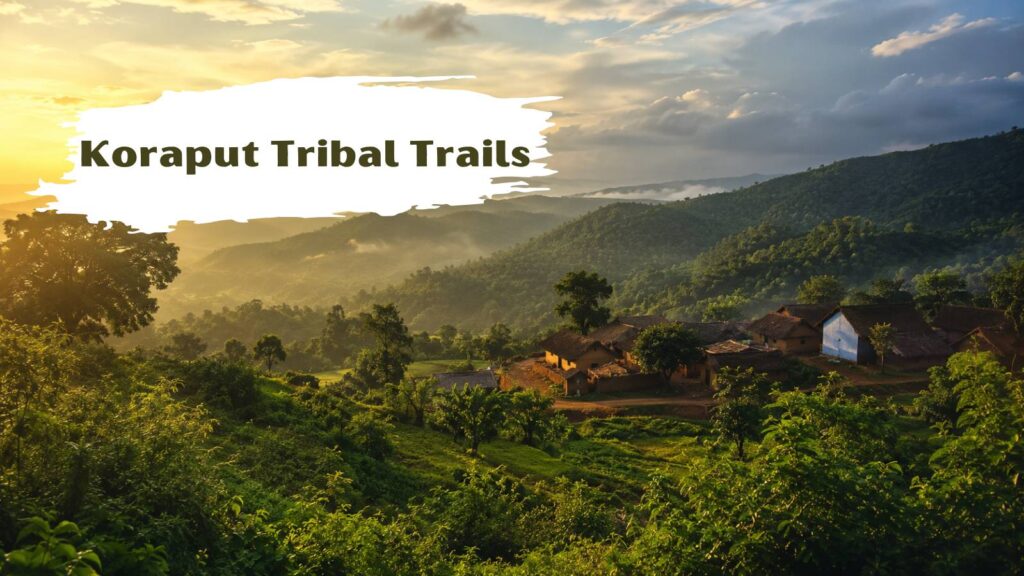
Koraput Tribal Trails offer a fascinating journey into the indigenous heartland of Odisha, where ancient traditions, vibrant cultures, and breathtaking landscapes come together in the Eastern Ghats. Located in southern Odisha, Koraput is home to several tribal communities, including the Bonda, Gadaba, Paraja, Kondh, and Koya, each with its own distinctive customs, languages, traditional attire, festivals, music, dance, and craftsmanship.
The tribal villages around Koraput are equally fascinating. The Bonda and Gadaba communities are particularly known for their distinctive cultural traditions, traditional clothing, festivals, dances, and deep connection with the surrounding forests and mountains. Visitors can learn about indigenous lifestyles while experiencing the importance of community, nature, agriculture, and traditional knowledge in everyday life.
Why Koraput’s Tribal Trails Matter
Koraput’s tribal trails offer more than a journey between tourist attractions—they provide a glimpse into the region’s living culture and everyday life. These trails pass through traditional villages, weekly markets, farmlands, forest landscapes, and community spaces. The lives of communities such as the Bonda, Gadaba, Paraja, and Kondh are closely connected with the hills, forests, agriculture, and natural resources around them.
Travelers can explore traditional food, handicrafts, farming practices, customs, music, and local traditions along the way. Unlike conventional sightseeing, tribal tourism in Koraput encourages visitors to understand the people and heritage behind the landscape. It is an opportunity to experience Odisha’s indigenous culture with curiosity, respect, and responsible travel. Ultimately, Koraput’s tribal trails turn a simple trip into a meaningful cultural and learning experience.
Hidden Villages, Timeless Stories
Beyond Koraput’s popular tourist spots, small villages surrounded by hills, forests, and farmland offer a glimpse into the region’s rural way of life. Visitors may see traditional homes, farming activities, local food, handicrafts, village markets, and community spaces. Friendly conversations, when welcomed, can also reveal stories about local festivals, traditions, and changing lifestyles.
Every village has its own customs, and not all communities are open to tourism in the same way. Ask permission before entering private spaces or photographing people, and always respect local traditions.
In Koraput, travel with curiosity, respect, and an open mind.
Tribal Markets of Koraput
Koraput’s weekly haats (local markets) offer an authentic glimpse into the everyday life and local economy of the region. People from nearby villages gather to buy and sell fresh produce, forest products, handicrafts, clothing, household goods, and traditional foods. Beyond shopping, these markets are important social and cultural meeting places, where communities connect and exchange local products and traditions.
The colorful stalls and lively atmosphere can be fascinating for visitors and photographers. However, remember that people are there for their daily work. Always ask permission before taking close-up photographs, especially of individuals and children, and respect local customs.
- Note: Visit the haat not just to see Koraput, but to understand its everyday life.
Art, Crafts & Local Heritage
Koraput’s cultural heritage is reflected in its traditional arts and handmade crafts. Local artisans create woven textiles, baskets, woodwork, ornaments, household items, and other crafts using locally available materials and traditional techniques.
Craft styles, designs, and methods can differ between communities, making each piece unique. When buying handicrafts, purchasing directly from artisans or trusted local sellers can help support traditional skills and rural livelihoods.
Before buying, take time to learn about the materials, techniques, and cultural stories behind the craft. A handmade piece becomes more meaningful when you understand the knowledge, skill, and time invested in creating it.
Flavors of the Koraput Hills
A journey through Koraput is not complete without experiencing its local food traditions. The cuisine reflects the region’s agricultural landscapes, forests, and seasonal availability.
Depending on the season, visitors may find rice, millets, leafy greens, tubers, seasonal vegetables, and locally sourced ingredients prepared in traditional ways. Mandia (ragi/finger millet) is an important part of food traditions in many tribal areas of Odisha and is enjoyed in several forms. Local meals are often simple and closely connected to everyday life. Instead of looking only for popular dishes, explore what local communities grow, cook, and eat.
In Koraput, food is more than a meal—it is a taste of the region’s land, seasons, and cultural heritage.
Waterfalls Along the Tribal Trail
Koraput’s hilly landscape is home to streams, cascades, and seasonal waterfalls, many of which become especially scenic during and after the monsoon. Dudhari Waterfall, Rani Duduma, and the Kolab-area landscapes are among the natural attractions worth exploring.
The monsoon brings fresh greenery and stronger water flow, creating beautiful views across the surrounding hills and forests. However, caution is essential. Wet rocks can be extremely slippery, water levels may rise suddenly, and remote areas can have limited mobile connectivity. Stay on safer paths, avoid getting too close to fast-flowing water, and follow local guidance.
Enjoy Koraput’s waterfalls responsibly—admire the landscape without taking unnecessary risks.
Best Places to Explore in Koraput
1. Deomali Hills
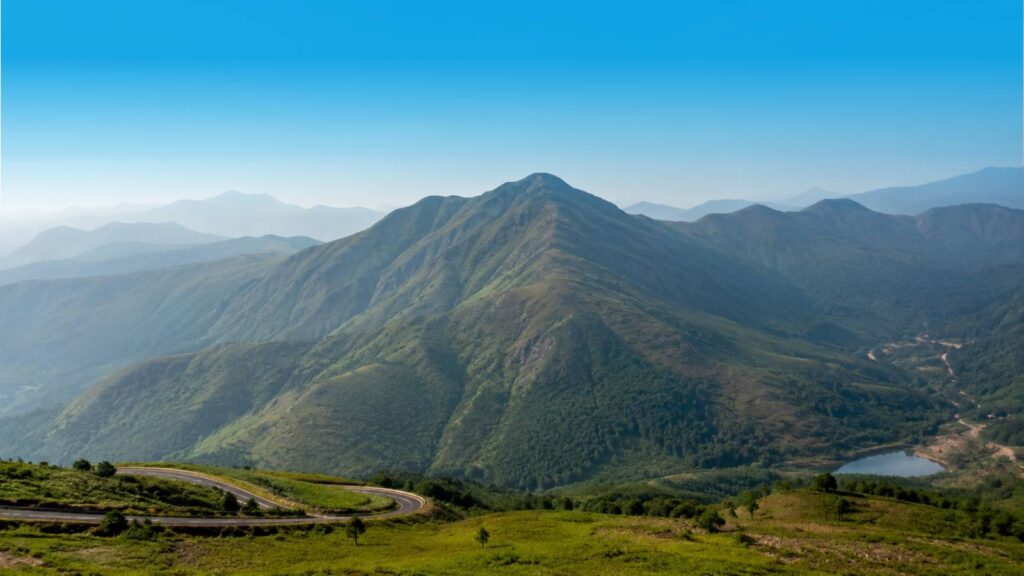
At 1,672 metres, Deomali is the highest peak in Odisha and one of Koraput’s most scenic destinations. Its rolling hills, valleys, and changing weather make it popular with nature lovers, trekkers, and photographers.
2. Gupteswar Temple & Caves
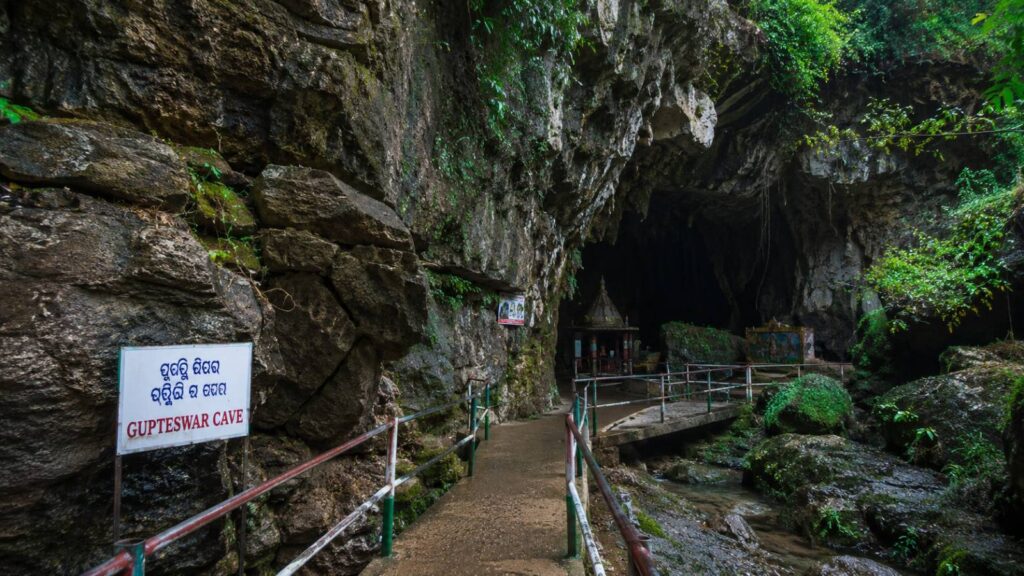
Located amid forested hills, Gupteswar is an important pilgrimage site dedicated to Lord Shiva. The natural caves, surrounding greenery, and peaceful setting make it a distinctive cultural and nature experience.
3. Dudhari Waterfall
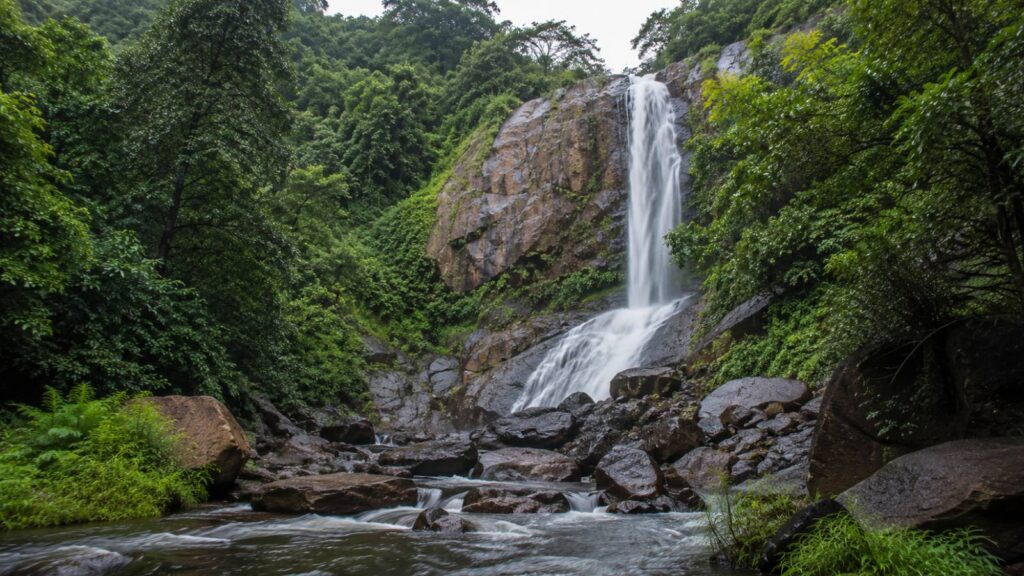
Dudhari is a scenic waterfall surrounded by the green hills and forests of Koraput. It is particularly attractive during and after the monsoon, when the water flow and surrounding landscape become more vibrant.
4. Rani Duduma
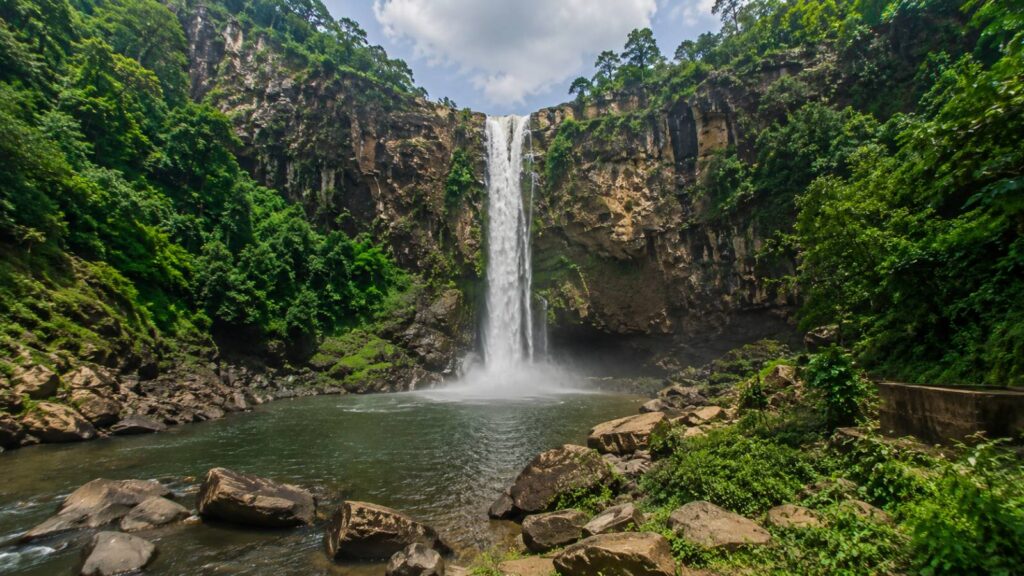
Rani Duduma is known for its waterfall, rocky landscape, and lush surroundings. It is a good choice for travelers looking to combine nature sightseeing with a quieter experience away from busy tourist spots.
5. Kolab Reservoir
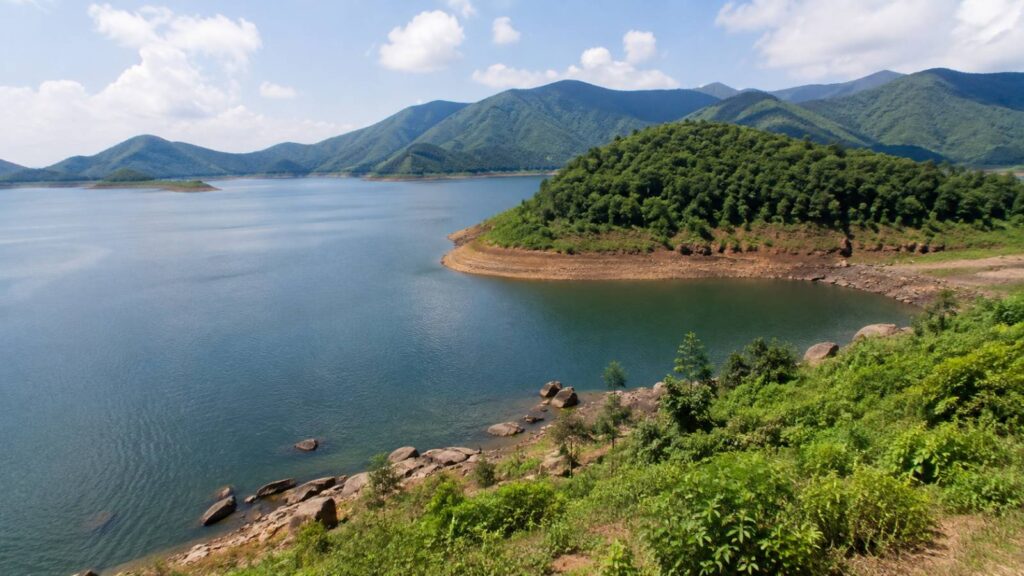
The Kolab Reservoir creates a beautiful landscape of open water, hills, and surrounding greenery. Its peaceful setting makes it suitable for scenic drives, photography, and enjoying Koraput’s natural environment.
6. Nandapur
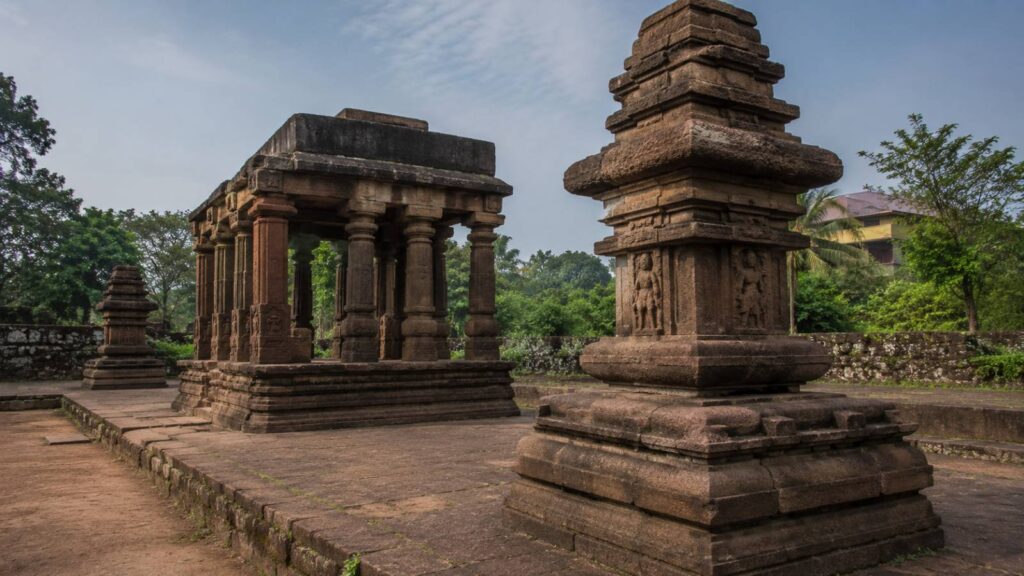
Once an important historical centre, Nandapur offers a glimpse into Koraput’s cultural and architectural heritage. The site is associated with historic temples and monuments, making it a worthwhile stop for history and heritage enthusiasts.
7. Tribal Markets
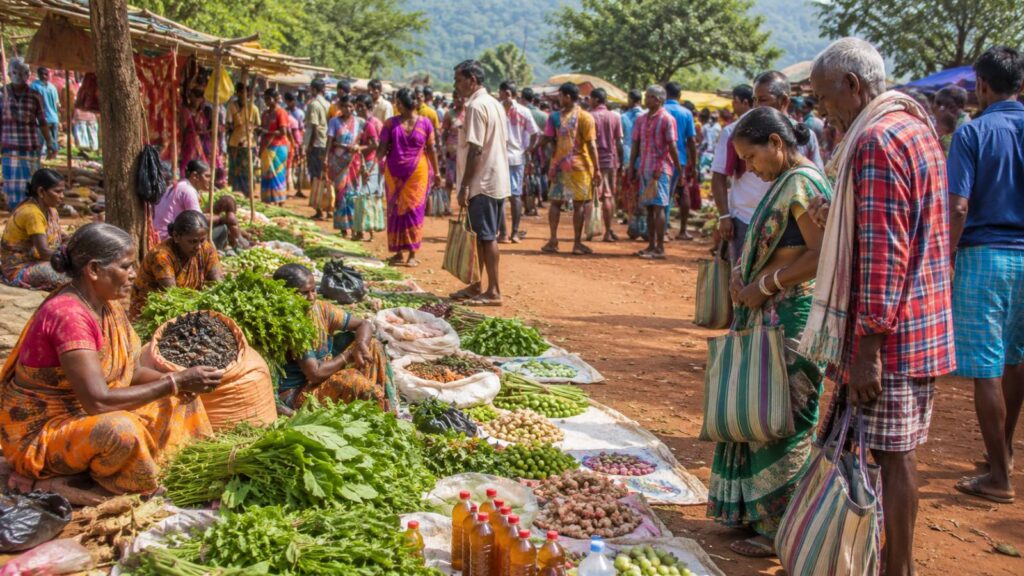
Koraput’s weekly haats bring together people from surrounding villages to trade agricultural produce, forest products, food, and household goods. Visiting a local market offers a valuable glimpse into the region’s everyday economy and community life.
8. Nearby Tribal Villages
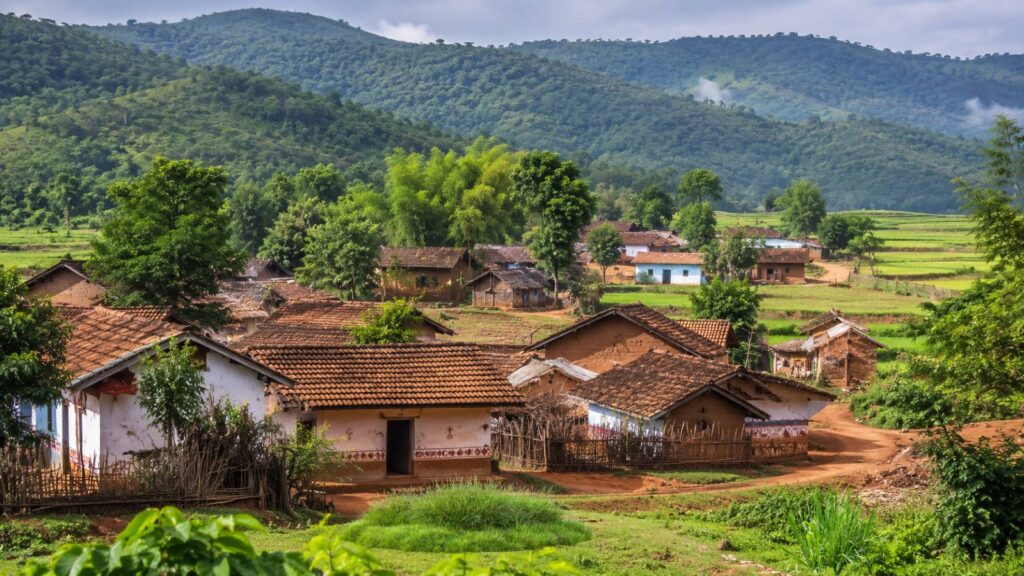
With local guidance and permission, selected villages can provide insights into traditional homes, farming, food, crafts, and community life. Visitors should respect privacy, follow local customs, and always ask before photographing people or private spaces.
Best Time for a Koraput Tribal Tour
October to February – Comfortable Exploration
Cool and pleasant weather makes these months ideal for exploring Koraput’s tribal villages, weekly markets, scenic hills, temples, and cultural attractions. It is also a comfortable time for village walks and outdoor activities.
March to May – Warmer but Interesting
The weather becomes warmer, but travellers can still enjoy a Koraput tribal tour by planning outdoor activities during the early morning or late afternoon. This period is suitable for exploring local culture, markets, and nearby attractions.
June to September – Greenest Landscape
The monsoon transforms Koraput into a lush green paradise, with mist-covered hills, flowing waterfalls, and refreshing landscapes. However, heavy rainfall can affect road conditions, so travellers should check local weather before visiting remote villages and waterfall areas.
(Note: For a balanced experience, October to February is a practical choice for many travellers.)
How to Experience Tribal Life Respectfully
Cultural tourism becomes meaningful when visitors understand that communities deserve respect, privacy and control over how their culture is shared. Here is few simple principles:
- Ask permission before taking photographs.
- Don’t enter homes or community spaces without invitation.
- Avoid treating traditional clothing or rituals as costumes.
- Purchase crafts fairly rather than aggressively bargaining.
- Don’t photograph children without appropriate permission.
- Follow local instructions around religious and cultural sites.
- Avoid littering in villages, forests and natural areas.
- Support local guides, artisans and small businesses where possible.
- Learn a few basic local greetings if appropriate.
- Leave places as you found them—or cleaner.
Koraput offers a unique combination of mountains, waterfalls, forests, tribal heritage, local markets, traditional food, and rural landscapes. While its natural attractions draw visitors, the region’s communities, traditions, and everyday life provide a deeper understanding of its cultural identity.
FAQs
1. What is Koraput famous for?
Koraput is known for its Eastern Ghats landscapes, tribal heritage, forests, waterfalls, temples, and agricultural traditions. The district is also recognized for Deomali Hills, traditional markets, local food, handicrafts, and diverse indigenous communities.
2. What are the best places to visit in Koraput?
Popular attractions include Deomali Hills, Gupteswar, Nandapur, Kolab Reservoir, Dudhari Waterfall, and Rani Duduma.
Travelers can also explore local markets, scenic villages, temples, and other natural and cultural sites depending on time and accessibility.
3. Can tourists visit tribal villages in Koraput?
Yes, visitors can experience village life where communities are open to visitors and appropriate arrangements have been made.
It is best to go with local guidance, seek community permission, and respect privacy and local customs.
4. Which tribal communities live in Koraput?
Koraput is home to several indigenous communities, including the Kondh, Paraja, Gadaba, Bonda, and other groups. Each community has its own languages, traditions, festivals, food practices, crafts, and social customs.
5. What is the best time to visit Koraput?
October to February is generally comfortable for sightseeing, with pleasant conditions for exploring the hills and cultural attractions. The monsoon season brings lush greenery and stronger waterfalls, but travelers should check weather, road, and safety conditions before visiting.
6. What food is Koraput known for?
Koraput’s food traditions are closely connected with local agriculture, forests, and seasonal produce. Rice, mandia (ragi/finger millet), leafy vegetables, tubers, and seasonal ingredients feature in various traditional preparations.
7. Where can I experience tribal markets in Koraput?
Weekly haats are held in different parts of the Koraput region, bringing together people from surrounding villages to trade local products. Market days and locations can vary, so check with local residents or reliable tourism sources before planning a visit.
8. Is Koraput good for nature lovers?
Yes. Koraput offers mountains, forests, waterfalls, valleys, reservoirs, streams, and diverse natural landscapes. Deomali, Kolab, and the surrounding hill regions provide opportunities for scenic drives, photography, trekking, and nature exploration.
9. How can tourists respect tribal culture in Koraput?
Visitors should ask permission before photographing people, ceremonies, or private spaces and follow local customs. Supporting local artisans, guides, homestays, and businesses fairly can also contribute to responsible and community-friendly tourism.
10. How many days are enough for a Koraput trip?
A 3–4 day trip can provide a good introduction to Koraput’s major natural, cultural, and heritage attractions. A longer stay allows travellers to explore at a slower pace and include local markets, food experiences, villages, and lesser-known destinations.