
Sambalpur: Hirakud Dam to Ancient Temples & Cultural Treasures

Sambalpur, in western Odisha, offers a rich mix of culture, history, spirituality, wildlife, and natural beauty. The city sits along the Mahanadi River and attracts travelers with its Sambalpuri handloom, ancient temples, Hirakud Dam, scenic hills, forests, and waterfalls.
From the mighty Hirakud Dam and sacred Samaleswari Temple to serene waterfalls and wildlife-rich forests, Sambalpur invites travelers to discover the diverse charm of Western Odisha. Enjoy Huma Leaning Temple, Ghanteswari Temple, Debrigarh Wildlife Sanctuary, Gudguda Waterfalls, and Budharaja Hill, while also learning how to reach Sambalpur by train, road, and air for a smooth and memorable journey.
Sambalpur at a Glance: History, Culture & Location
Sambalpur lies in western Odisha, along the Mahanadi River, about 320 km from Bhubaneswar and 290 km from Cuttack. The city serves as a cultural hub of Western Odisha and showcases its heritage through Sambalpuri handloom, textiles, folk music, traditional dance, and festivals. The Mahanadi River supports the region’s agriculture and economy while adding to its scenic beauty. Sambalpur also preserves a rich history and cultural heritage, making it an important destination in Odisha.
How to Reach Sambalpur
Sambalpur offers convenient rail, road, and air connectivity, making it easy for travelers to reach the city from major destinations in Odisha and neighboring states. You can travel by train, bus, private vehicle, or flight depending on your preference.
How to Reach Sambalpur by Train
You can reach Sambalpur through Sambalpur Railway Station, which serves as a major rail hub in western Odisha. Regular trains connect Sambalpur with Bhubaneswar (about 320 km), Kolkata (about 560 km), and Raipur (about 280 km).
How to Reach Sambalpur by Road
Can easily reach Sambalpur by road through NH-53 and NH-55, which connect the city with major destinations across Odisha and neighboring states. Sambalpur lies approximately 320 km from Bhubaneswar, 290 km from Cuttack, and 280 km from Raipur.
Nearest Airports to Sambalpur
Travelers can take flights to Biju Patnaik International Airport in Bhubaneswar, located about 320 km from Sambalpur, or Swami Vivekananda Airport in Raipur, approximately 280 km away. From either airport, you can continue your journey to Sambalpur by road or train.
Best Places to Visit in Sambalpur
Sambalpur offers a mix of engineering landmarks, ancient temples, riverside scenery, and cultural heritage. From the impressive Hirakud Dam to the sacred Samaleswari Temple, these attractions showcase the historical, spiritual, and natural richness of Western Odisha.
Hirakud Dam – Sambalpur’s Iconic Landmark
Located about 15 km from Sambalpur city, Hirakud Dam is built across the Mahanadi River and is one of Odisha’s most important landmarks. Constructed in the 1950s, the dam supports irrigation, flood control, and power generation while creating the vast Hirakud Reservoir.
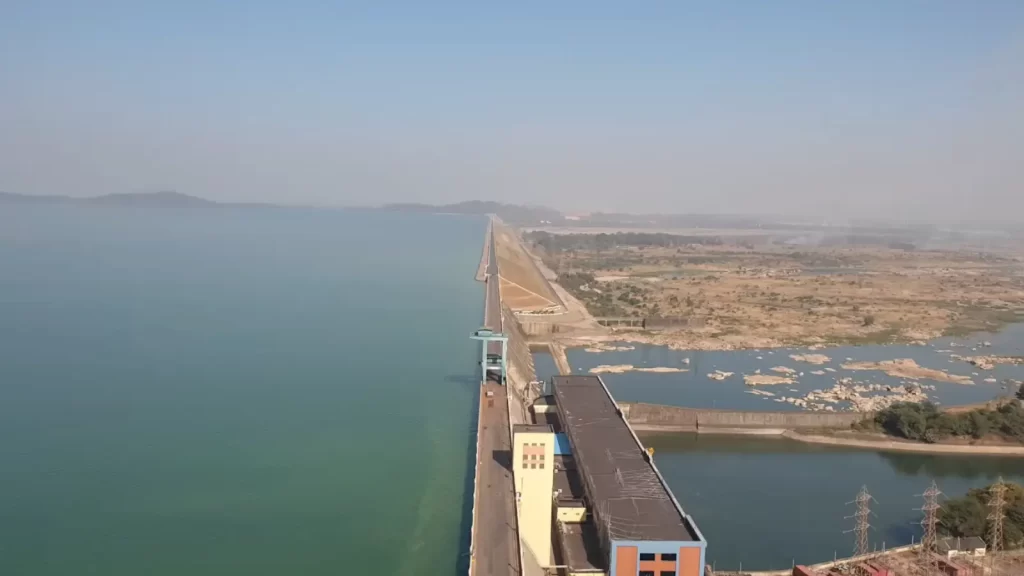
Visitors can explore the surrounding viewpoints and enjoy panoramic views of the reservoir.
- Hirakud Reservoir: Offers scenic views of the vast water body and surrounding landscape.
- Gandhi Minar: A popular viewpoint offering beautiful views of the dam and reservoir.
- Jawahar Minar: Another important observation point with panoramic surroundings.
- Photography: Sunrise, sunset, reservoir views, and the surrounding hills offer excellent photo opportunities.
- Best time to visit: October to February offers pleasant weather; the monsoon season is also attractive when the reservoir and surroundings are lush.
Samaleswari Temple – The Spiritual Heart of Sambalpur
Located in Sambalpur city, the Samaleswari Temple is dedicated to Maa Samaleswari, the presiding deity of the region. The temple stands close to the Mahanadi River and holds deep religious and cultural importance for the people of Western Odisha.
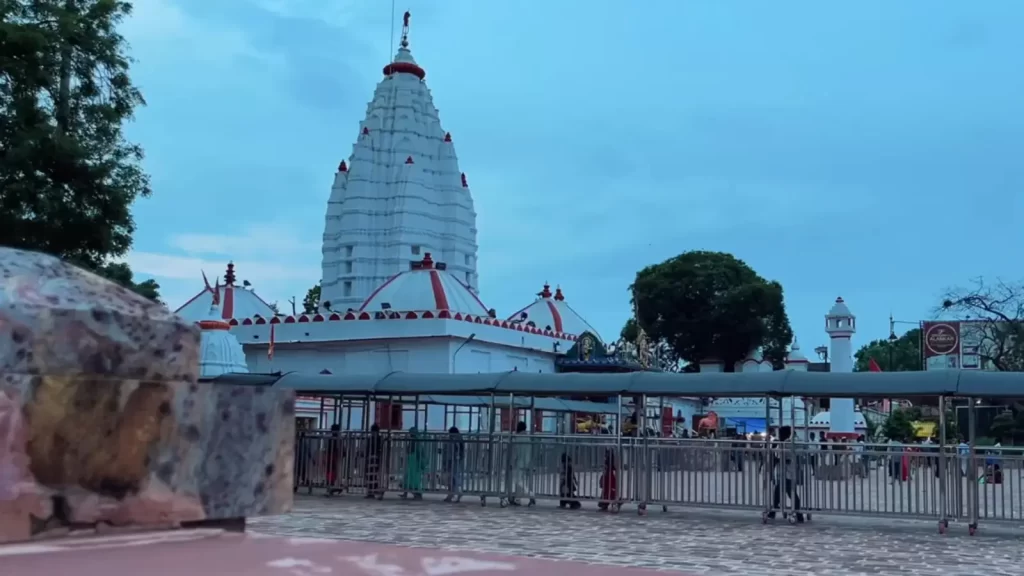
The temple features traditional Kalinga-style architectural elements and attracts devotees throughout the year.
- History: Maa Samaleswari has been worshipped as the principal deity of Sambalpur for centuries.
- Religious importance: The temple is one of the most significant spiritual centers in Western Odisha.
- Major festivals: Nuakhai, Dussehra, and other Hindu festivals are celebrated with great devotion.
- Location: The temple is centrally located in Sambalpur, making it easily accessible from major parts of the city.
Huma Leaning Temple – The Unique Temple of Sambalpur
The Huma Leaning Temple is located in Huma village, about 23 km south of Sambalpur, on the banks of the Mahanadi River. Dedicated to Lord Bimaleswar, the temple is famous for its unusual leaning structure.
Unlike conventional temples, the main shrine and several smaller structures appear to lean, making Huma one of Odisha’s most distinctive temple destinations.
- Why it is famous: The temple is known for its mysterious leaning structure.
- Lord Bimaleswar: The presiding deity is a form of Lord Shiva.
- Riverside setting: Its location beside the Mahanadi provides a peaceful and scenic atmosphere.
- Legends: Local traditions connect the temple’s unusual tilt with various religious beliefs and legends.
- Best experience: Visitors can combine temple visits with views of the Mahanadi River and surrounding countryside.
Ghanteswari Temple – A Riverside Temple of Bells
Ghanteswari Temple is situated around 25 km from Sambalpur city, near the Mahanadi River. The temple is dedicated to Goddess Ghanteswari and is particularly known for the numerous bells offered by devotees.
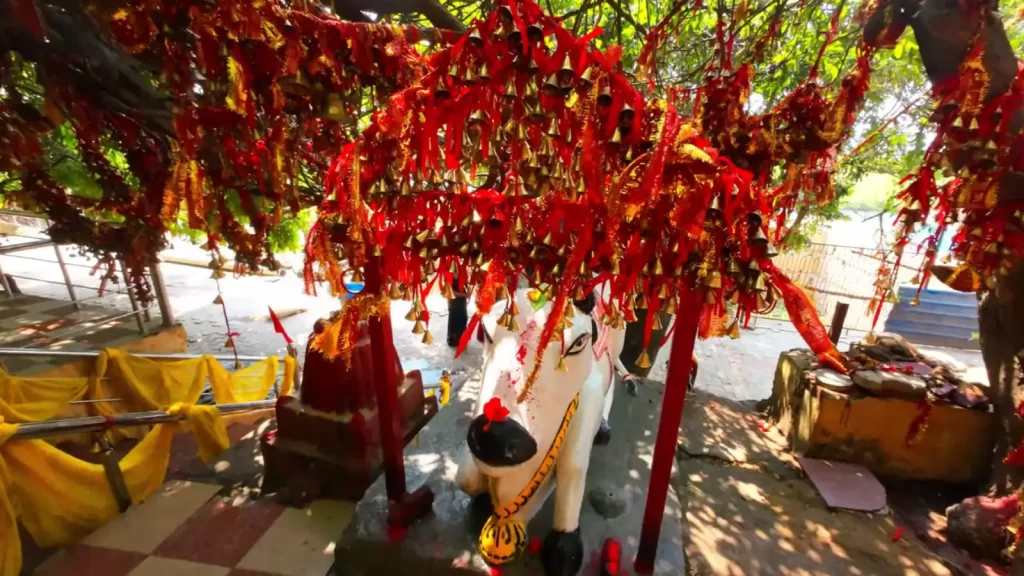
The temple also has historical significance because the area was associated with a navigation aid for boats travelling along the Mahanadi.
- Religious significance: Devotees visit the shrine to seek the blessings of Goddess Ghanteswari.
- Tradition of bells: Bells are offered at the temple as part of local religious traditions.
- Location: Situated near the river, the temple offers a peaceful riverside environment.
- Scenery: The surrounding river landscape makes it a pleasant place for visitors interested in nature, spirituality, and photography.
Wildlife & Nature Experiences Around Sambalpur
Sambalpur is surrounded by forests, hills, waterfalls, and the Hirakud Reservoir, offering plenty of opportunities for nature lovers. From wildlife and birdwatching at Debrigarh to the peaceful waterfalls of Gudguda, these destinations provide a refreshing break from the city.
Debrigarh Wildlife Sanctuary
Located about 40 km from Sambalpur city, Debrigarh Wildlife Sanctuary lies near the Hirakud Reservoir in Bargarh district. The sanctuary features forests, hills, grasslands, and reservoir landscapes that support diverse wildlife and bird species.
- Wildlife: Visitors can spot gaur, sambar, spotted deer, wild boar, and elephants in the sanctuary.
- Birdwatching: The sanctuary and nearby reservoir attract numerous resident and migratory birds.
- Forest landscapes: Dense forests, hills, valleys, and grasslands offer visitors scenic natural surroundings.
- Nature and safari: Visitors can enjoy jeep safaris and guided nature experiences while exploring the sanctuary.
- Best time to visit: Plan your visit between November and February for pleasant weather and better wildlife-watching opportunities.
Gudguda Waterfalls – A Hidden Natural Escape
Gudguda Waterfalls is located in the Jujumura area of Sambalpur district, roughly 70 km from Sambalpur city. Surrounded by forests and rocky landscapes, the waterfall is a popular choice for travellers looking for a peaceful natural getaway.
- Waterfalls and forest setting: Multiple cascades flow through the forested and rocky terrain, creating a scenic environment.
- Best season: The monsoon and post-monsoon months offer better water flow and greener surroundings, although visitors should take extra care on slippery paths.
- Things to do: Enjoy nature walks, photography, picnics, and sightseeing.
- Travel tip: Carry suitable footwear and basic refreshments, as facilities can be limited around the waterfall.
Budharaja Hill & Other Scenic Spots
Budharaja Hill stands within Sambalpur city, near the Hirakud Dam area, and attracts visitors with its hilltop Budharaja Temple and panoramic views. From the elevated viewpoint, visitors can enjoy beautiful views of the surrounding landscape.
- Hilltop views: Enjoy panoramic views of Sambalpur, nearby forests, and the Hirakud landscape.
- Temple and nature: Visit Budharaja Temple and combine the spiritual experience with a relaxing nature outing.
- Photography: Capture scenic landscapes, greenery, and sunset views from the hilltop.
- Other scenic areas: Explore the Mahanadi riverbanks, Hirakud Reservoir viewpoints, and nearby forests for nature walks, sightseeing, and photography.
FAQs
1. What is Sambalpur famous for besides Hirakud Dam?
Sambalpur is famous for Sambalpuri handloom, Ikat textiles, traditional dance, music, festivals, temples, and Western Odisha culture.
2. Why is Nuakhai important in Sambalpur?
Nuakhai celebrates the new harvest and reflects Sambalpur’s strong connection with agriculture, family traditions, and community culture.
3. Where can I buy authentic Sambalpuri sarees?
You can find authentic Sambalpuri sarees and Ikat textiles at established handloom stores, cooperative outlets, and trusted local textile shops.
4. What traditional food should I try in Sambalpur?
Try local Odia and Sambalpuri dishes, including pakhala bhata, dalma, bara, chakuli pitha, and traditional sweets.
5. How is Sambalpur different from Puri and Bhubaneswar?
Sambalpur offers a more Western Odisha cultural experience, combining handloom traditions, folk culture, temples, forests, wildlife, and Mahanadi landscapes.