
Satkosia Tiger Reserve: A Journey Through Wildlife, Gorge & Mahanadi
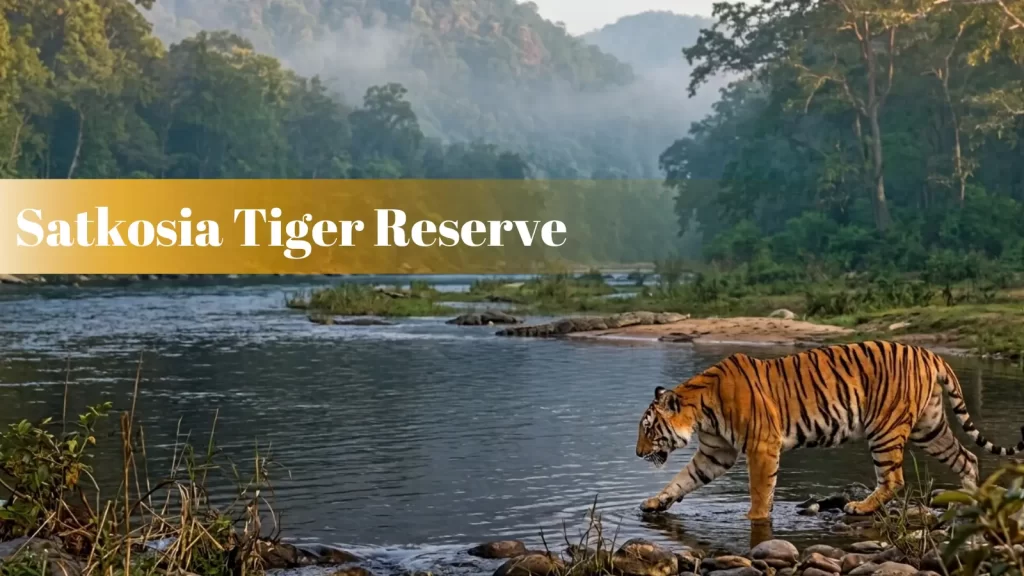
Satkosia Tiger Reserve is one of Odisha’s most fascinating wildlife destinations, where dense forests, the dramatic Satkosia Gorge, and the Mahanadi River come together to create a unique natural landscape. Located across parts of Angul, Cuttack, Boudh, and Nayagarh districts, the reserve offers a mix of wildlife, river experiences, birdwatching, and scenic views.
From tiger and gharial conservation to Mahanadi boating and nature activities, Satkosia provides more than a traditional wildlife experience. Here find its location, history, wildlife, gorge, river ecosystem, conservation efforts, and best things to do for travelers planning a visit.
Where Is Satkosia Tiger Reserve Located?
Satkosia Tiger Reserve is located in central Odisha, India, along the Mahanadi River, where the river cuts through the Eastern Ghats and forms the spectacular Satkosia Gorge. The reserve has a hilly landscape of forests, valleys, riverbanks and gorge terrain, making it one of Odisha’s distinctive wildlife destinations.
The reserve covers about 1,136.70 sq km under its currently notified boundary, including 523.61 sq km of core area and 440.26 sq km of buffer area according to the Satkosia Tiger Reserve’s official website.
Location and Districts Covered
Satkosia Tiger Reserve extends across parts of Angul, Cuttack, Boudh and Nayagarh districts of Odisha. The Mahanadi flows through the middle of the reserve, creating a dramatic gorge of roughly 22–22.5 km.
For visitors, the reserve has different approaches depending on which part they want to explore. Tikarpada on the Angul side is particularly known for the Satkosia Gorge, Mahanadi views and the Gharial Research and Conservation Unit. The Badmul–Chhamundia side in Nayagarh provides another important approach to the gorge and riverside landscape.
Distance from Bhubaneswar
The distance to Satkosia Tiger Reserve varies by entry point. Badmul is around 130 km, Tikarpada about 160 km, and the Chhamundia–Gania side approximately 120 km from Bhubaneswar. The actual distance depends on the area you plan to visit.
Distance from Cuttack
Satkosia is approximately 135 km from Cuttack by road. Travelers can approach the reserve through the Badamba–Baliput route, although the final distance varies depending on the specific entry point or nature camp.
History of Satkosia Tiger Reserve
Satkosia’s conservation history began in 1976 with the establishment of the Satkosia Gorge Wildlife Sanctuary to protect the forests, wildlife, and Mahanadi River ecosystem around the famous gorge.
In 2007, Satkosia was declared a Tiger Reserve under Project Tiger by combining the Satkosia Gorge Wildlife Sanctuary and Baisipalli Wildlife Sanctuary. This created a larger protected landscape for tigers and other wildlife.
Over the years, conservation efforts have expanded to include tigers, elephants, leopards, gharials, crocodiles, birds, and other species. Gharial conservation along the Mahanadi is particularly important to the reserve’s ecological work.
Today, Satkosia is an important protected area in Odisha, combining tiger habitat, forests, the Mahanadi River, and the Satkosia Gorge, while supporting wildlife conservation and responsible ecotourism.
Why Is Satkosia Tiger Reserve Famous?
Satkosia Tiger Reserve is famous for its unique combination of wildlife, forests, hills, the Mahanadi River, and the spectacular Satkosia Gorge. Unlike destinations known mainly for safaris, Satkosia offers a broader nature experience.
- Satkosia Gorge
- Mahanadi River
- Tiger and wildlife habitat
- Gharial conservation
- Forest and hill landscapes
- Birdwatching and nature tourism
Satkosia Gorge: The Natural Wonder of the Reserve
The Satkosia Gorge is one of Odisha’s most remarkable natural attractions, where the Mahanadi River cuts through the Eastern Ghats, creating a dramatic landscape of forested hills, rocky slopes, and riverbanks.
The gorge stretches for approximately 22 km and plays an important role in the region’s geography and wildlife habitat. Its surrounding forests, hills, valleys, and river ecosystem support diverse flora and fauna.
Tikarpada and Badmul are among the popular places to enjoy views of the gorge and Mahanadi. Visitors can also experience the landscape through boating, nature walks, and photography. Early morning and late afternoon offer particularly good conditions for capturing the river, hills, and wildlife.
The Mahanadi River Through Satkosia
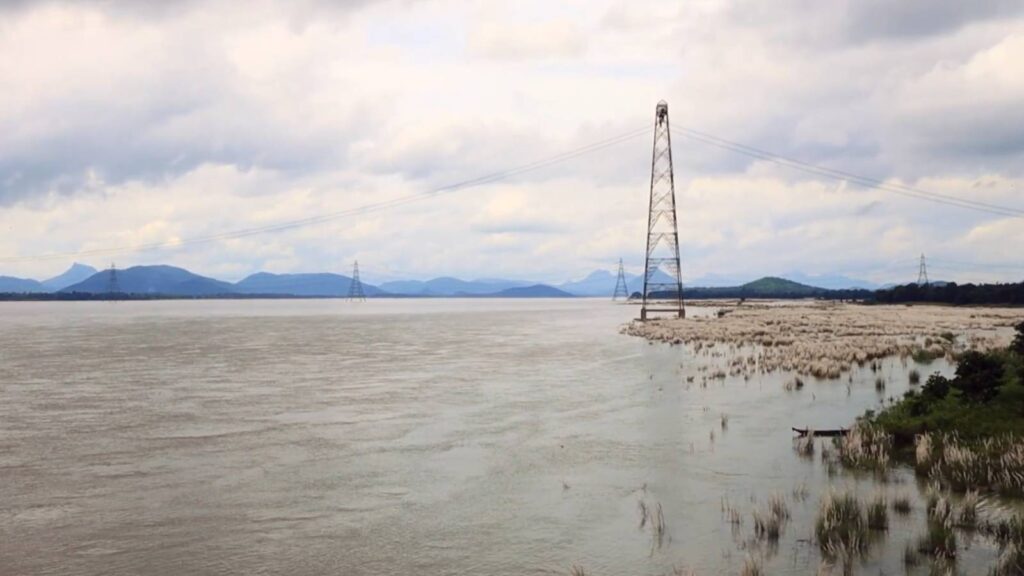
The Mahanadi River is the defining feature of Satkosia, flowing through the gorge and shaping its landscape. Its sandbars, rocky stretches, forested banks, and surrounding hills create important habitats for fish, reptiles, birds, and other wildlife. The river also supports the livelihoods of local communities living around the reserve. Visitors can experience the Mahanadi through boating, birdwatching, riverside photography, and nature experiences.
Wildlife in Satkosia Tiger Reserve
Satkosia is home to a wide range of wildlife across its forests, hills, valleys, and river ecosystem. Mammals include tigers, leopards, elephants, gaur, sambar, spotted deer, wild boar, and other species. The reserve also supports gharials, mugger crocodiles, turtles, snakes, fish, and numerous bird species, making it a diverse destination for wildlife enthusiasts and nature lovers.
Tigers in Satkosia: What Visitors Should Know
Satkosia forms an important tiger habitat in Odisha’s Eastern Ghats, with protected forests providing shelter and prey for these large cats. Conservation efforts focus on protecting habitat, monitoring wildlife, and reducing human-wildlife conflict. However, tiger sightings are not guaranteed because animals move freely through their natural environment. Visitors should maintain silence, follow forest regulations, and never approach or disturb wildlife.
Gharial Conservation in Satkosia
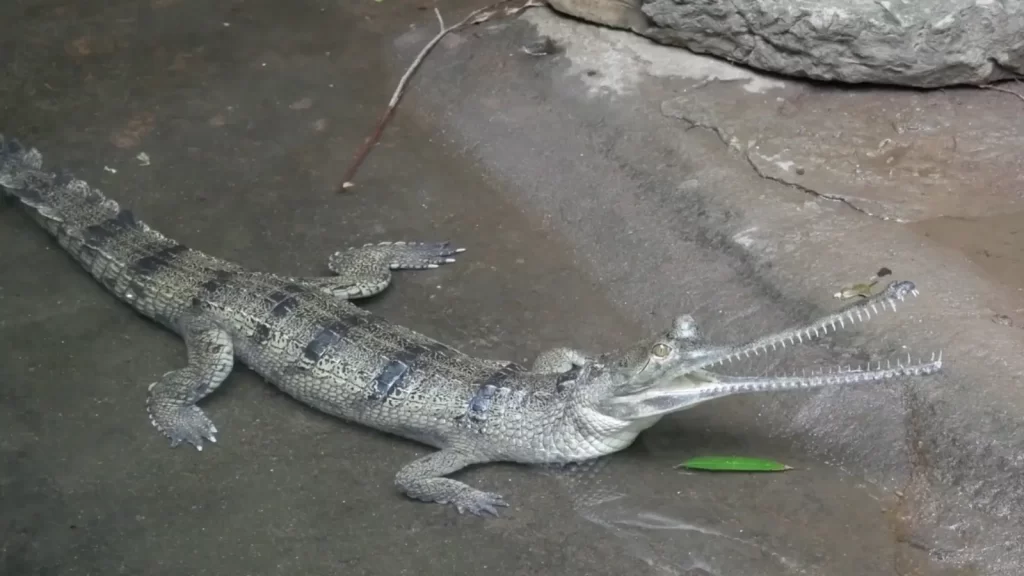
Gharial conservation is one of Satkosia’s most distinctive wildlife stories. The Mahanadi provides suitable river habitat for these endangered reptiles, making protection of the river ecosystem essential for their survival. Tikarpada is particularly associated with gharial conservation activities and provides an opportunity to understand the importance of protecting these reptiles and their natural habitat.
Birds to Spot in Satkosia
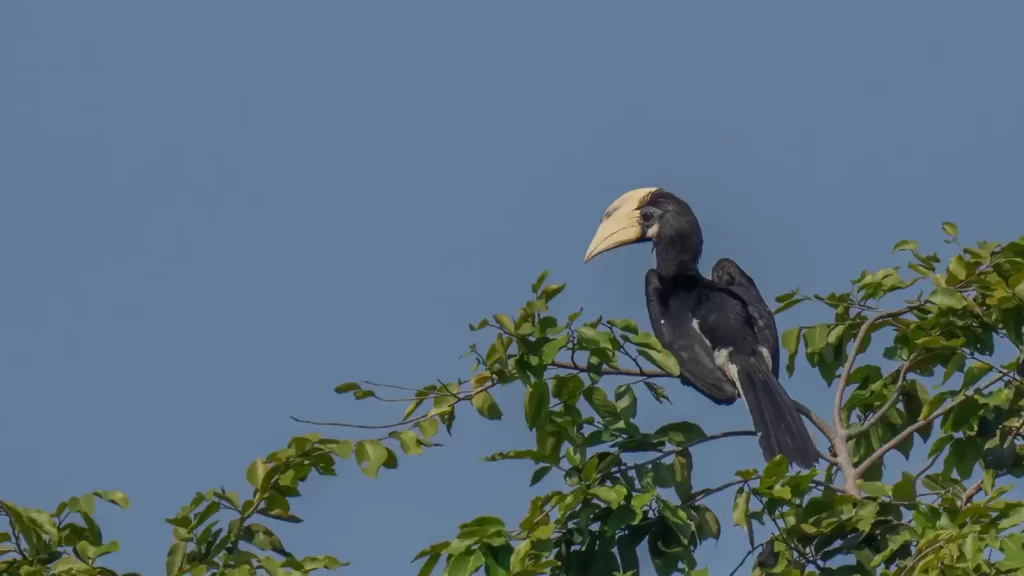
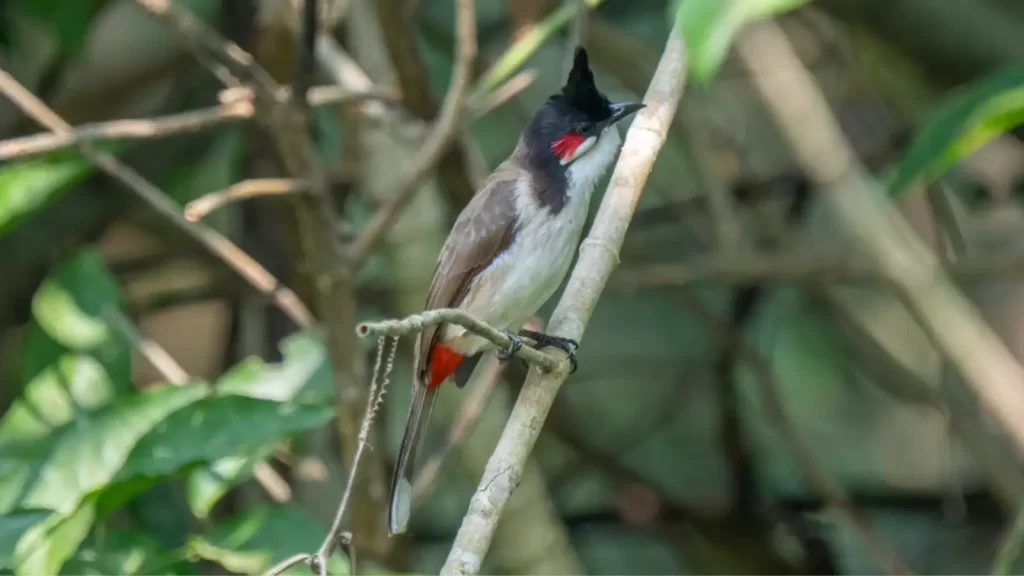
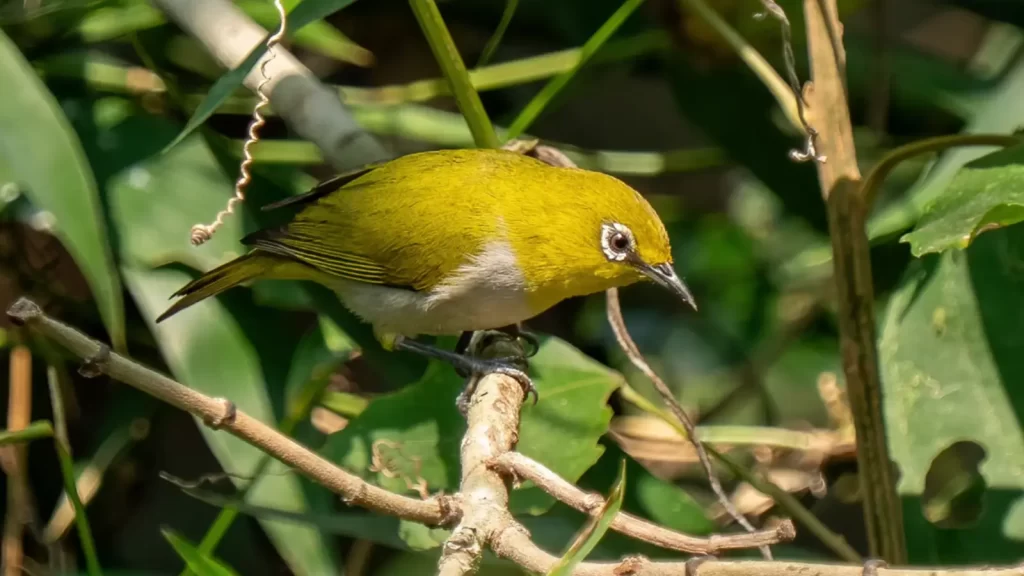
Satkosia’s combination of river, forest, hills, and wetlands makes it an excellent destination for birdwatching. Visitors may spot hornbills, kingfishers, egrets, herons, Brahminy ducks, and other forest and river birds, along with seasonal visitors. The Mahanadi riverbanks, forest trails, and nature camps are good places to look for birds. Early morning is generally the best time for birdwatching when bird activity is higher and the surroundings are quieter.
Best Things to Do in Satkosia
Satkosia offers more than a traditional wildlife experience. Its combination of forests, hills, the Mahanadi River, and Satkosia Gorge makes it ideal for wildlife lovers, photographers, birdwatchers, and travelers looking for a peaceful nature escape.
- Wildlife Watching: Enjoy sightings of tigers, elephants, leopards, sambar, spotted deer, gaur, wild boar, and other wildlife across the reserve. Sightings depend on natural conditions, so visitors should remain patient and follow forest guidelines.
- Mahanadi Boating: Boating on the Mahanadi is one of the most memorable experiences in Satkosia. It offers views of the gorge, forested hills, rocky riverbanks, and sandbars, along with opportunities to observe birds and riverine wildlife.
- Birdwatching: Satkosia’s forests and riverbanks support diverse birdlife. Carrying binoculars and a camera can make the experience more rewarding. Early mornings are generally ideal for spotting birds around the river, forests, and nature camps.
- Nature Walks: Nature walks provide a peaceful way to experience Satkosia’s forests, plants, hills, and smaller wildlife. Walking with an authorized guide can also help visitors understand the local ecosystem and identify birds, trees, insects, and animal signs.
- Trekking: Selected areas around Satkosia offer opportunities for trekking through hills and forests. Routes and access can depend on forest permissions and local conditions, so visitors should follow instructions from forest authorities.
- Photography: The reserve provides excellent subjects for wildlife, landscape, river, and bird photography. The Satkosia Gorge, Mahanadi, forested hills, and morning or evening light create particularly attractive scenery.
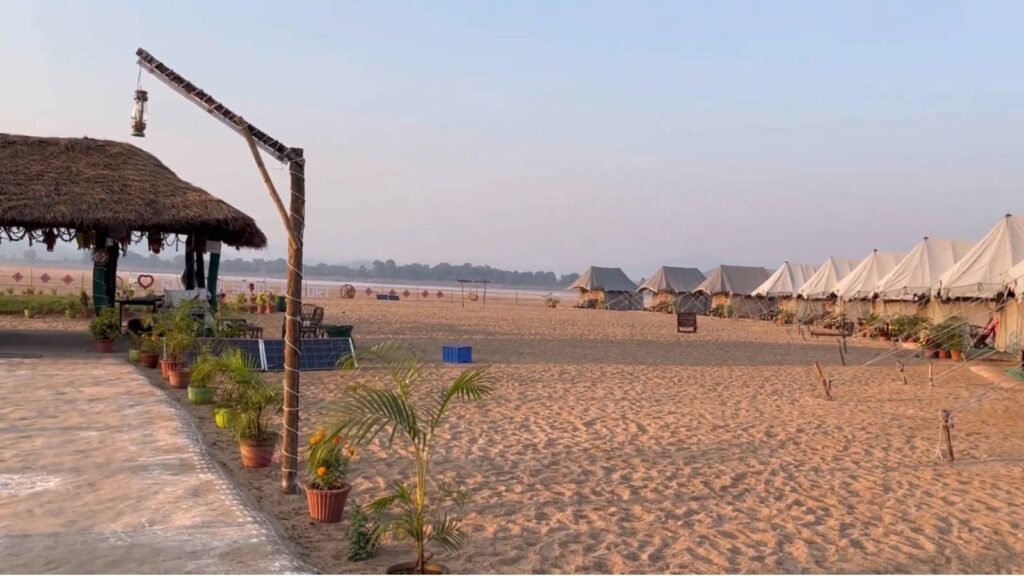
- Camping and Nature Stays: Staying at designated nature camps and forest accommodations allows visitors to enjoy Satkosia’s peaceful surroundings for longer. Choose authorized accommodation and follow rules regarding waste, noise, lighting, and wildlife safety.
- Sunrise and Sunset Viewing: The Mahanadi, gorge, and forested hills create beautiful settings for sunrise and sunset. Early morning offers calm river views and bird activity, while evening provides scenic views as changing light falls across the hills and water.
FAQs
1. What is the best entry point for Satkosia Tiger Reserve?
The best entry point depends on your travel plan. Tikarpada is suitable for visitors interested in the gorge, Mahanadi, and gharial conservation, while Badmul is popular for riverside scenery and nature experiences.
2. Is a permit required to visit Satkosia Tiger Reserve?
Yes, certain forest areas, safaris, boating activities, and restricted zones require permission or permits. Visitors should check the latest rules with the forest authorities before planning their activities.
3. Is Satkosia suitable for a weekend trip?
Yes. Satkosia can be a good weekend getaway from Bhubaneswar or Cuttack, especially for travelers interested in wildlife, riverside scenery, boating, and nature activities.
4. Can children visit Satkosia Tiger Reserve?
Yes, families can visit Satkosia, but children should remain under adult supervision, particularly during boating, forest activities, and wildlife viewing. Following safety instructions is important.
5. Are guides available in Satkosia?
Authorized local or forest guides may be available for certain activities and wildlife experiences. A guide can help visitors understand the forest, identify wildlife signs, and follow safety regulations.
6. Is mobile network available in Satkosia?
Mobile connectivity can be limited or inconsistent in remote forest and riverside areas. Visitors should not depend entirely on mobile networks and should plan their transportation and accommodation in advance.
7. Is food available inside Satkosia Tiger Reserve?
Food availability can be limited in remote areas. Visitors staying at nature camps or accommodations should confirm meal arrangements in advance, particularly before traveling to less-developed areas.
8. Can I visit Satkosia during the monsoon?
Monsoon conditions can affect forest access, roads, boating, and outdoor activities. Visitors should check weather conditions and local forest restrictions before planning a monsoon trip.
9. Is Satkosia good for wildlife photography?
Yes. The reserve offers opportunities for wildlife, bird, river, gorge, and landscape photography. Visitors should maintain a safe distance from animals and follow photography restrictions in protected areas.
10. Can Satkosia be combined with other Odisha destinations?
Yes. Depending on your route and available time, Satkosia can be combined with nearby destinations such as Angul, Nayagarh, Cuttack, or Bhubaneswar, making it suitable for a longer Odisha itinerary.